
Nini kinafuata kwa Magnificent 7 baada ya kusitisha kwa Fed

Nini kinafuata kwa Magnificent 7 si tena kuhusu kama ukuaji utaendelea, bali ni kiasi gani wawekezaji wako tayari kulipa kwa ajili yake. Uamuzi wa Federal Reserve wa kusitisha viwango vya riba katika 3.50–3.75%, baada ya kupunguza pointi 175 za msingi tangu Septemba 2024, unaondoa msukumo mkuu wa uchumi mkuu ambao umesaidia kimya kimya thamani za teknolojia kubwa katika mwaka uliopita.
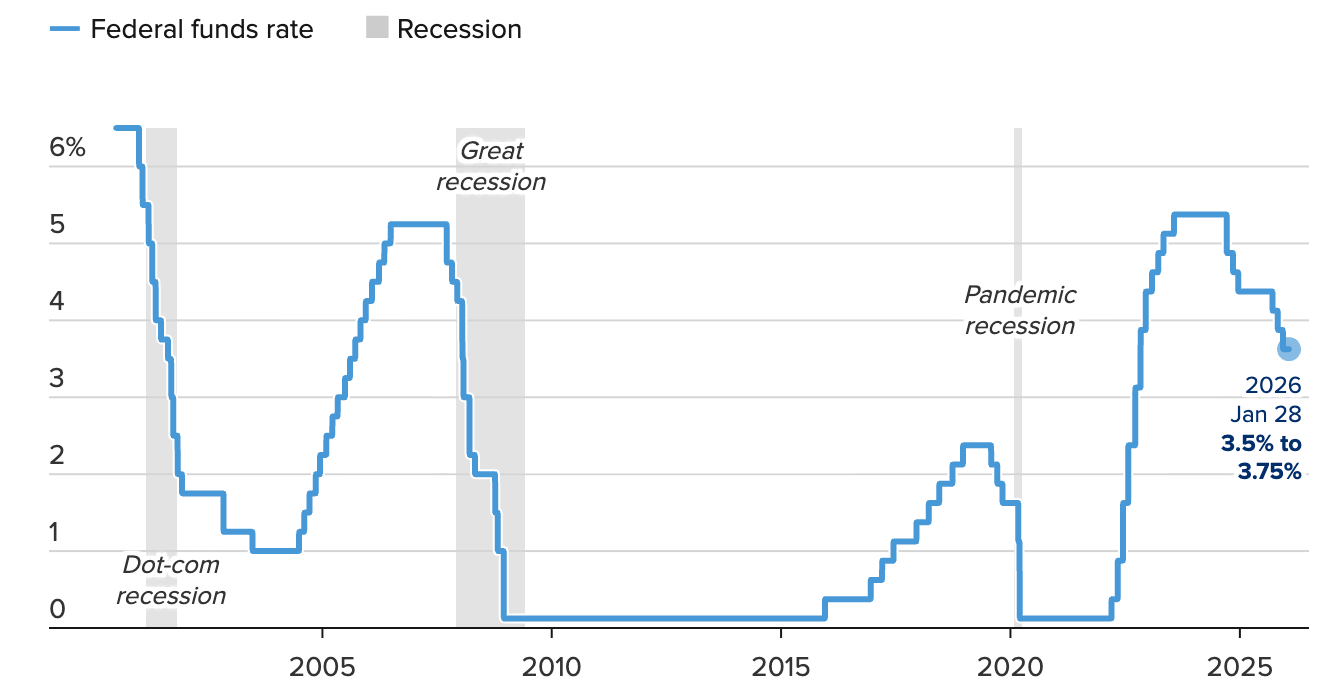
Huku mfumuko wa bei bado ukielezewa kama "umepanda kiasi", ujumbe ulikuwa wazi: msaada wa sera umesitishwa. Kusitisha huko kunakuja wakati Microsoft, Meta, na Tesla zimeweka wazi gharama halisi ya kuongoza mapinduzi ya AI.
Mapato yalizidi matarajio, lakini matumizi ya mtaji yaliongezeka, pembezoni zilichunguzwa, na masoko yalijibu kwa tahadhari badala ya sherehe. Awamu inayofuata kwa Magnificent 7 itaamuliwa kidogo na vichwa vya habari vya uvumbuzi na zaidi na utekelezaji, nidhamu, na mapato.
Nini kinaendesha Magnificent 7?
Katika kiwango cha uchumi mkuu, msimamo wa Fed umebadilisha mazingira ya uwekezaji. Watunga sera walionyesha imani katika kasi ya kiuchumi kuelekea 2026, wakibainisha kuimarika kwa ukosefu wa ajira na mfumuko wa bei ambao unabaki juu ya lengo. Kura mbili za kupinga kwa punguzo la kawaida la pointi 25 za msingi zilionyesha mjadala, sio dharura. Kwa masoko ya hisa, hiyo inaashiria kuwa viwango vya riba vinaweza kubaki na vikwazo kwa muda mrefu, kukuza kiwango kwa hisa za ukuaji.
Katika kiwango cha ushirika, artificial intelligence (AI) inaendelea kutawala mkakati. Matumizi ya mtaji ya Microsoft yaliruka kwa 66% mwaka hadi mwaka hadi $37.5 bilioni, wakati Meta ilipandisha mtazamo wake wa matumizi ya mtaji wa mwaka wa fedha 2026 hadi juu kama $135 bilioni. Takwimu hizi zinaonyesha mabadiliko ya kimuundo badala ya mzunguko wa muda mfupi. AI si tena nyenzo ya hiari ya ukuaji; ni miundombinu ya msingi inayodai uwekezaji endelevu bila kujali hisia za soko.
Kwa nini ni muhimu
Mwitikio kwa mapato ulifichua mabadiliko muhimu katika tabia ya soko. Microsoft ilitoa namba kuu zenye nguvu, na mapato ya $4.14 kwa kila hisa yakizidi matarajio, lakini hisa zake zilianguka katika biashara ya baada ya saa za kazi. Mapato ya Azure yalikuja chini kidogo ya makubaliano, na wawekezaji walizingatia ahadi za AI zinazoongezeka badala ya faida za muda mfupi.
Jibu hilo linasisitiza mada pana: masoko yanazidi kuwa magumu kusamehe. "Awamu ya ujenzi wa AI sasa imeingizwa kwenye bei. Kile wawekezaji wanataka kuona ni uwezo wa kutengeneza pesa," alisema mchambuzi wa Wedbush Dan Ives, akionya kuwa nidhamu ya mtaji itazidi kutofautisha washindi na walio nyuma. Kwa Magnificent 7, ukubwa pekee hautoshi tena kuamuru thamani za juu.
Athari kwa masoko na mfumo wa ikolojia wa AI
Data za hivi karibuni zilionyesha kuwa athari ya soko ya mara moja haikuwa sawa. Nasdaq ilikwama chini kidogo ya rekodi za juu, wakati hatima za Dow zilipungua katikati ya uzito wa Microsoft kwenye fahirisi. Nvidia, ambayo mara nyingi hutazamwa kama wakala safi wa AI, ilishuka kidogo katika biashara iliyopanuliwa licha ya kubaki na nguvu kiufundi, ikipendekeza uimarishaji badala ya kukata tamaa.
Zaidi ya hisa, athari mbaya zilionekana mahali pengine. Bei za dhahabu na fedha zilipanda wakati wawekezaji walijilinda dhidi ya hatari ya thamani na kutokuwa na uhakika wa sera, wakati mafuta ghafi yalipata faida kwa matarajio kwamba upanuzi wa vituo vya data utaendesha mahitaji endelevu ya nishati. Maamuzi ya Magnificent 7 sasa yanaathiri mtiririko wa mtaji mbali zaidi ya sekta ya teknolojia.
Mtazamo wa wataalam
Tukiangalia mbele, wafuatiliaji wa soko walieleza kuwa awamu inayofuata kwa Magnificent 7 inategemea ikiwa uwekezaji wa AI utaanza kutafsiriwa kuwa faida ya kudumu. Matokeo ya Tesla yalionyesha mvutano huu. Wakati mapato yalizidi matarajio, mapato ya jumla yalipungua, na kampuni ilielezea mipango ya kuzidi $20 bilioni katika matumizi ya mtaji mnamo 2026, zaidi ya mara mbili ya kiwango cha mwaka jana. Matarajio yanabaki juu, lakini uvumilivu wa wawekezaji huenda usiwe na kikomo.
Ishara muhimu zitawasili katika wiki zijazo. Mapato ya Nvidia yatajaribu ikiwa mahitaji ya AI yanaendelea kuhalalisha thamani za sasa, wakati data ijayo ya mfumuko wa bei itaunda matarajio kwa mkutano wa FOMC wa Machi 17–18.
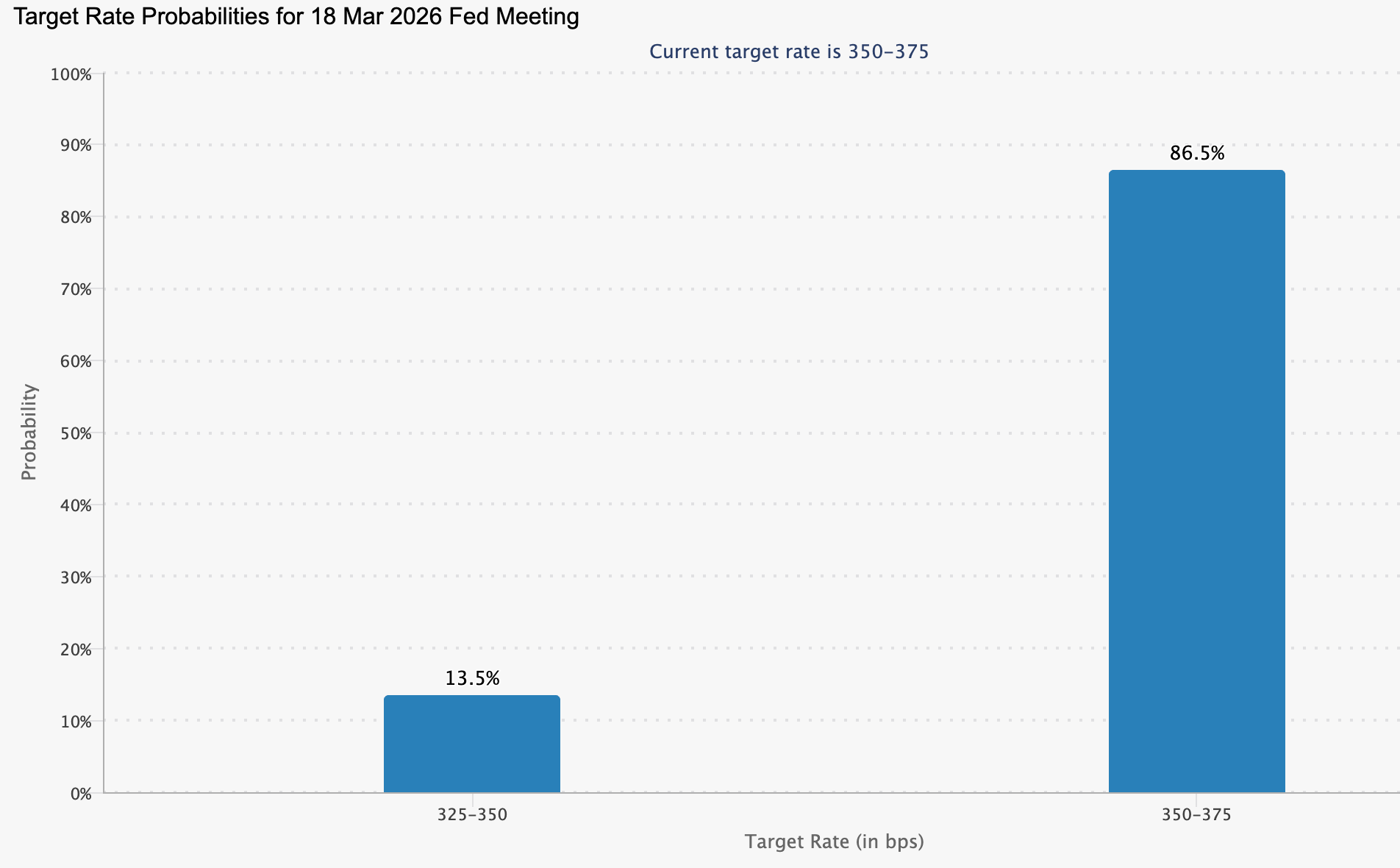
Huku viwango vikiwa vimesitishwa na gharama za mtaji zikipanda, Magnificent 7 zinaingia katika awamu ambapo mapato, sio simulizi, yataendesha utendaji.
Jambo kuu la kuzingatia
Kusitisha kwa Fed kumebadilisha mazungumzo karibu na Magnificent 7 kutoka kwa kasi hadi uendelevu. Ukuaji wa AI unabaki na nguvu, lakini gharama ya uongozi inapanda haraka. Wawekezaji wanaanza kuuliza maswali magumu zaidi kuhusu mapato ya mtaji. Nini kinafuata kitategemea ikiwa mapato yanaweza kuhalalisha kiwango cha matarajio katika mazingira ya viwango vya juu kwa muda mrefu.
Takwimu za utendaji zilizotajwa si dhamana ya utendaji wa baadaye.


