
ما الذي ينتظر مجموعة السبع الرائعة بعد توقف الفيدرالي

لم يعد السؤال حول ما ينتظر مجموعة السبع الرائعة يتعلق باستمرار النمو، بل بمدى استعداد المستثمرين للدفع مقابله. قرار مجلس الاحتياطي الفيدرالي بتثبيت أسعار الفائدة عند 3.50–3.75%، بعد خفضها بمقدار 175 نقطة أساس منذ سبتمبر 2024، أزال دعامة اقتصادية رئيسية كانت تدعم تقييمات شركات التكنولوجيا الكبرى بهدوء خلال العام الماضي.
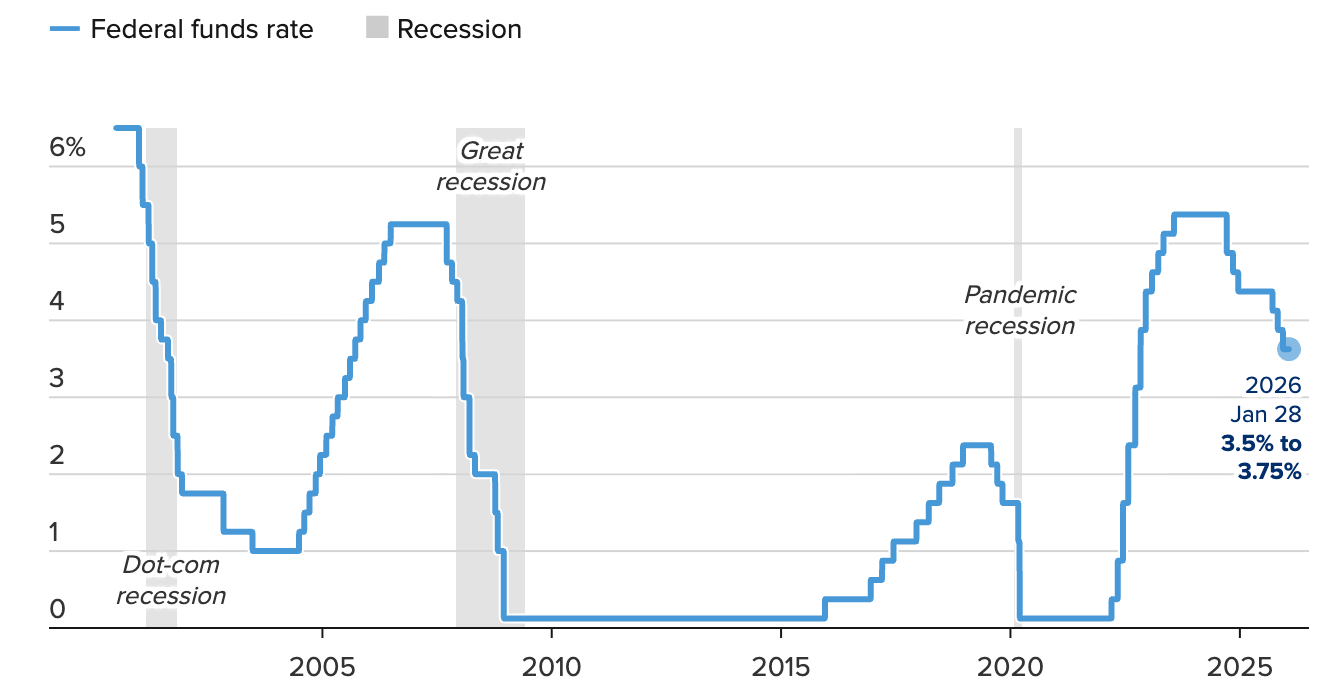
مع استمرار وصف التضخم بأنه "مرتفع إلى حد ما"، كانت الرسالة واضحة: الدعم السياسي متوقف حالياً. ويأتي هذا التوقف في الوقت الذي كشفت فيه Microsoft وMeta وTesla عن التكلفة الحقيقية لقيادة ثورة الذكاء الاصطناعي.
تجاوزت الأرباح التوقعات، لكن الإنفاق الرأسمالي ارتفع بشكل كبير، وتعرضت الهوامش للفحص، وردت الأسواق بحذر بدلاً من الاحتفال. المرحلة القادمة لمجموعة السبع الرائعة ستُحسم بشكل أقل من خلال عناوين الابتكار، وأكثر من خلال التنفيذ والانضباط والعوائد.
ما الذي يدفع مجموعة السبع الرائعة؟
على المستوى الكلي، غيّر موقف الفيدرالي خلفية الاستثمار. أشار صانعو السياسات إلى ثقتهم في الزخم الاقتصادي مع دخول عام 2026، مع ملاحظة استقرار البطالة واستمرار التضخم فوق الهدف. صوتان معارضان لصالح خفض متواضع بمقدار 25 نقطة أساس عكسا وجود نقاش وليس استعجالاً. بالنسبة لأسواق الأسهم، يشير ذلك إلى أن أسعار الفائدة قد تظل مقيدة لفترة أطول، مما يرفع سقف التوقعات لأسهم النمو.
على المستوى المؤسسي، يواصل الذكاء الاصطناعي السيطرة على الاستراتيجيات. قفز الإنفاق الرأسمالي لشركة Microsoft بنسبة 66% على أساس سنوي ليصل إلى 37.5 مليار دولار، بينما رفعت Meta توقعاتها للإنفاق الرأسمالي لعام 2026 إلى ما يصل إلى 135 مليار دولار. تعكس هذه الأرقام تحولاً هيكلياً وليس دورة قصيرة الأجل. لم يعد الذكاء الاصطناعي رافعة نمو اختيارية؛ بل أصبح بنية تحتية أساسية تتطلب استثماراً مستداماً بغض النظر عن معنويات السوق.
لماذا هذا مهم
كشفت ردود الفعل على الأرباح عن تغيير مهم في سلوك السوق. قدمت Microsoft أرقاماً قوية في العناوين، حيث بلغت الأرباح 4.14 دولار للسهم متجاوزة التوقعات، ومع ذلك انخفضت أسهمها في التداولات بعد الإغلاق. جاءت إيرادات Azure أقل قليلاً من الإجماع، وركز المستثمرون على التزامات الذكاء الاصطناعي المتزايدة بدلاً من الأرباح قصيرة الأجل.
يؤكد هذا الرد على موضوع أوسع: الأسواق أصبحت أقل تسامحاً. قال المحلل دان آيفز من Wedbush: "مرحلة بناء الذكاء الاصطناعي أصبحت الآن محسوبة في الأسعار. ما يريده المستثمرون هو تحقيق الدخل"، محذراً من أن الانضباط الرأسمالي سيفرق بشكل متزايد بين الفائزين والمتخلفين. بالنسبة لمجموعة السبع الرائعة، لم يعد الحجم وحده كافياً للحصول على تقييمات مميزة.
تأثير ذلك على الأسواق ونظام الذكاء الاصطناعي
أظهرت البيانات الأخيرة أن التأثير الفوري على السوق كان غير متساوٍ. توقف مؤشر Nasdaq دون أعلى مستوياته القياسية بقليل، بينما تراجعت العقود الآجلة لمؤشر Dow بسبب ثقل Microsoft على المؤشر. تراجعت Nvidia، التي غالباً ما يُنظر إليها كأوضح ممثل للذكاء الاصطناعي، في التداولات الممتدة رغم بقائها قوية فنياً، مما يشير إلى حالة من التماسك بدلاً من الاستسلام.
خارج الأسهم، ظهرت التأثيرات المتسلسلة في أماكن أخرى. ارتفعت أسعار الذهب والفضة مع تحوط المستثمرين ضد مخاطر التقييم وعدم اليقين السياسي، بينما ارتفع النفط الخام مع توقعات بأن توسع مراكز البيانات سيقود الطلب المستدام على الطاقة. قرارات مجموعة السبع الرائعة تؤثر الآن على تدفقات رأس المال إلى ما هو أبعد من قطاع التكنولوجيا.
توقعات الخبراء
بالنظر إلى المستقبل، أعرب مراقبو السوق عن أن المرحلة التالية لمجموعة السبع الرائعة تعتمد على ما إذا كانت استثمارات الذكاء الاصطناعي ستبدأ في التحول إلى ربحية مستدامة. أوضحت نتائج Tesla هذا التوتر. فعلى الرغم من أن الأرباح تجاوزت التوقعات، إلا أن الإيرادات جاءت أقل من المتوقع، وحددت الشركة خططاً لتجاوز 20 مليار دولار في الإنفاق الرأسمالي في عام 2026، أي أكثر من ضعف مستوى العام الماضي. الطموح لا يزال مرتفعاً، لكن صبر المستثمرين قد لا يكون بلا حدود.
ستظهر إشارات رئيسية خلال الأسابيع القادمة. ستختبر أرباح Nvidia ما إذا كان الطلب على الذكاء الاصطناعي سيستمر في تبرير التقييمات الحالية، بينما ستحدد بيانات التضخم القادمة التوقعات لاجتماع FOMC في 17–18 مارس.
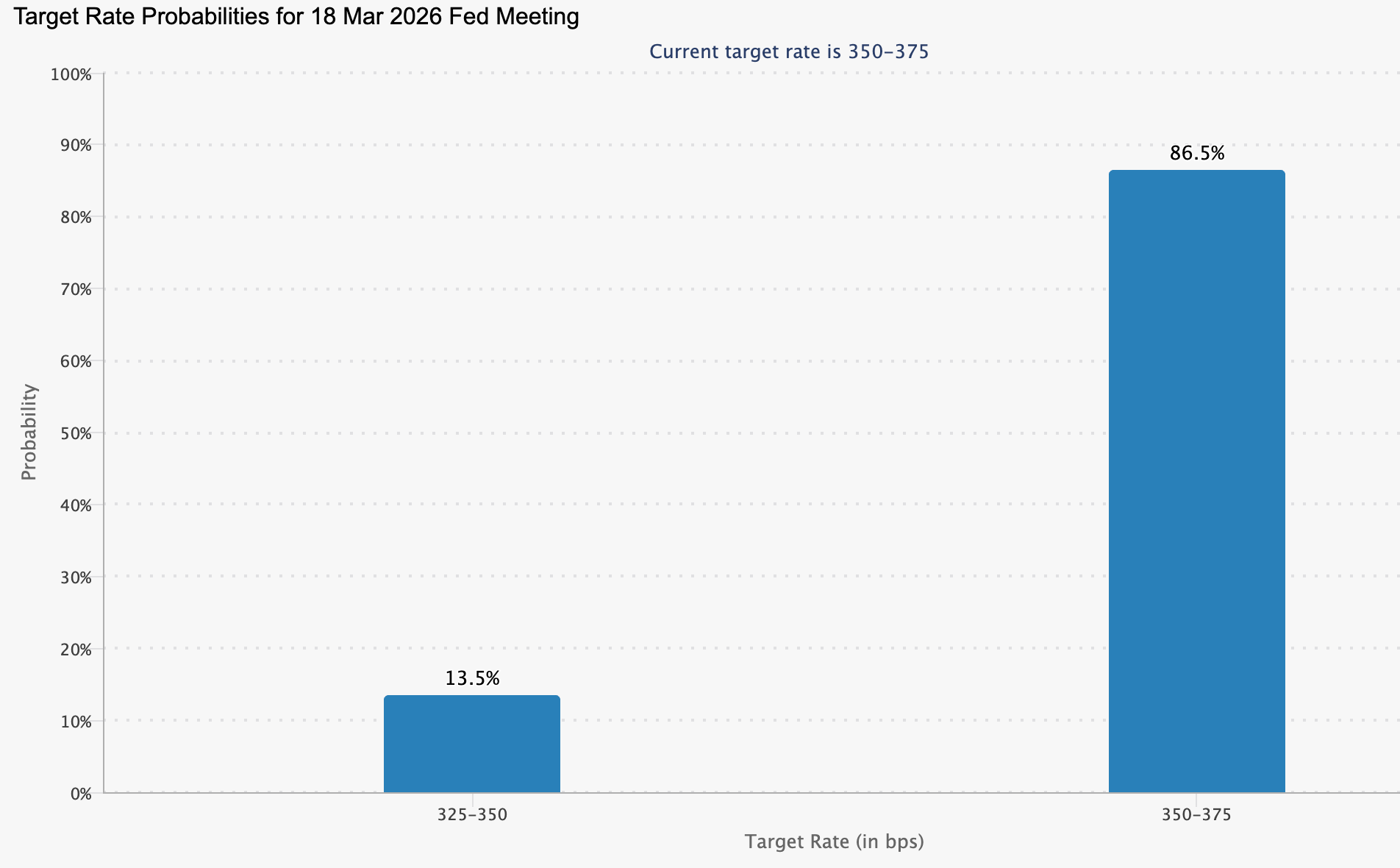
مع تثبيت أسعار الفائدة وارتفاع تكاليف رأس المال، تدخل مجموعة السبع الرائعة مرحلة حيث ستقود العوائد، وليس السرديات، الأداء.
الخلاصة الرئيسية
لقد غيّر توقف الفيدرالي النقاش حول مجموعة السبع الرائعة من الزخم إلى الاستدامة. لا يزال نمو الذكاء الاصطناعي قوياً، لكن تكلفة القيادة ترتفع بسرعة. بدأ المستثمرون في طرح أسئلة أصعب حول عوائد رأس المال. ما سيأتي بعد ذلك سيعتمد على ما إذا كانت الأرباح قادرة على تبرير حجم الطموح في بيئة أسعار فائدة مرتفعة لفترة أطول.
الأرقام المتعلقة بالأداء المذكورة ليست ضماناً للأداء المستقبلي.


