
Why Alphabet just surpassed Apple in the AI race

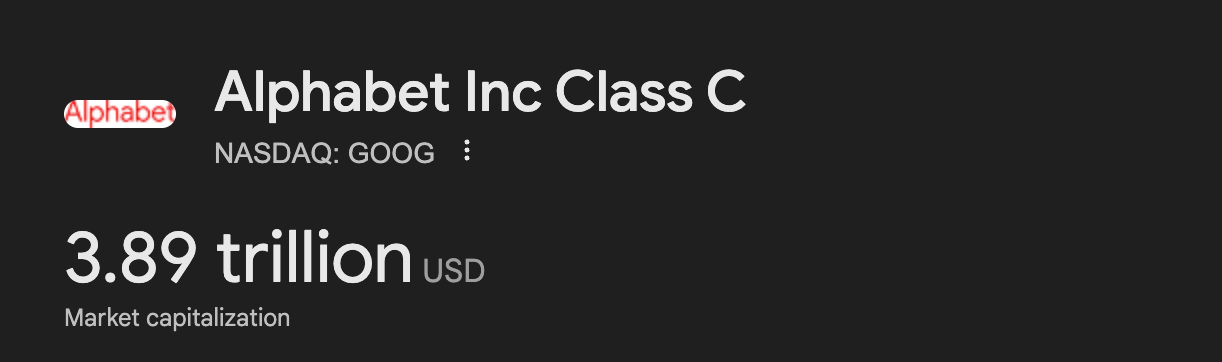
Alphabet has overtaken Apple in market capitalisation for the first time since 2019, closing Wednesday at $3.88 trillion compared with Apple’s $3.84 trillion. The reversal follows a sharp divergence in how investors are pricing artificial intelligence execution across Big Tech.
This is not a short-term market fluctuation. It reflects a deeper reassessment of which companies are turning AI investment into revenue, infrastructure, and long-term dominance. As the AI cycle matures, markets are becoming less patient with promises and more focused on delivery - a shift that now favours Alphabet.
What’s driving Alphabet’s breakout?
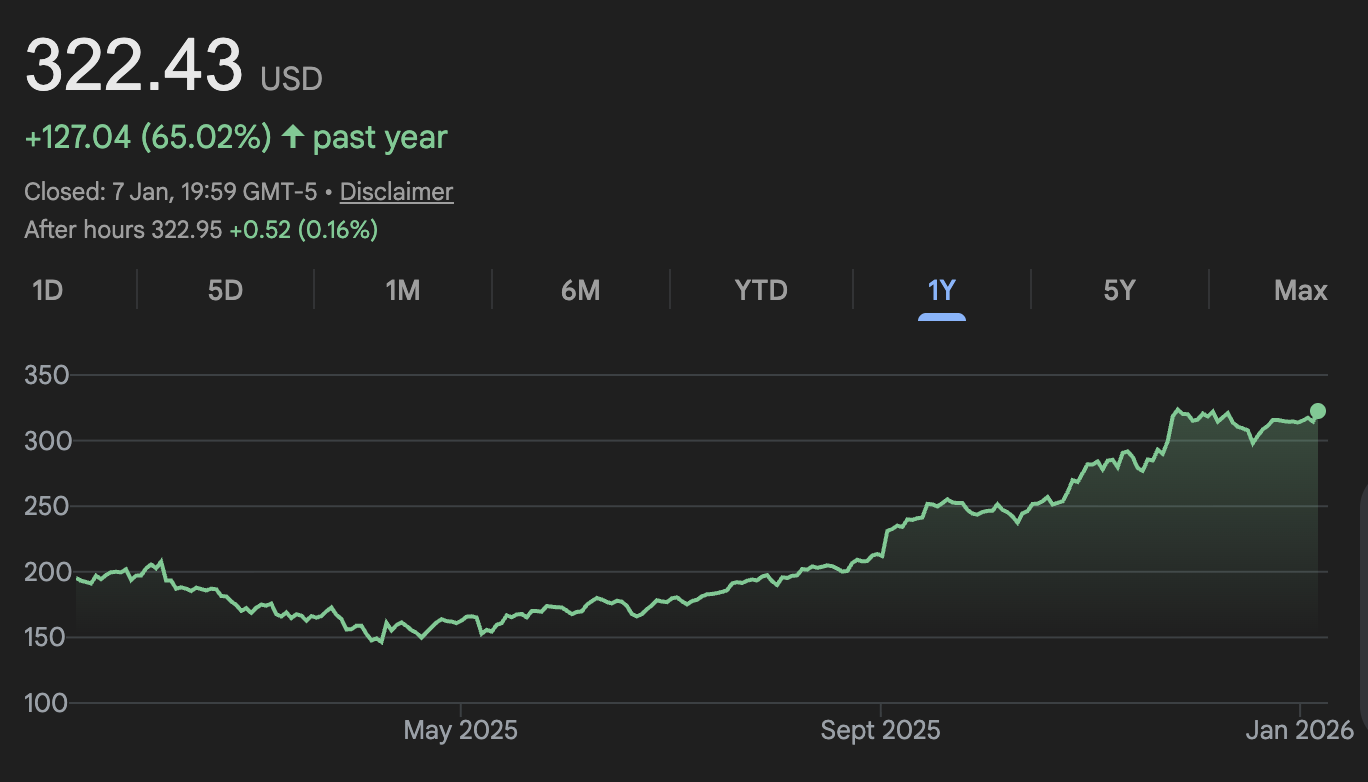
Alphabet’s resurgence has been powered by a decisive shift from defensive AI positioning to full-scale execution. The company ended 2025 up 65%, its strongest annual rally since 2009, after restoring confidence in its ability to compete at the infrastructure level of AI.
Investors responded positively to Alphabet’s willingness to challenge Nvidia’s dominance rather than rely solely on third-party solutions.
That momentum accelerated in November with the unveiling of Ironwood, Alphabet’s seventh-generation tensor processing unit. The chip has been positioned as a cost-efficient alternative for hyperscale AI workloads, particularly within Google Cloud.
In December, Google followed up with Gemini 3, earning strong early reviews for improved reasoning and multimodal performance. Alphabet shares climbed more than 2% on Wednesday alone, closing at $322.03, as confidence returned.
Why it matters
This market cap shift highlights how AI leadership is now being judged. Alphabet controls a vertically integrated AI stack - custom chips, proprietary models, cloud infrastructure, and global distribution - giving it a strategic advantage as AI demand scales. That integration allows Alphabet to capture value across multiple layers rather than compete on features alone.
Analysts have taken note. Raymond James described Alphabet’s AI strategy as “commercially aligned with enterprise demand,” pointing to clear monetisation pathways rather than speculative use cases. Apple, by contrast, is being penalised for delayed execution at a time when speed has become a competitive necessity.
Impact on the tech market
Alphabet’s surpassing of Apple is influencing capital allocation across the tech sector. Investors are shifting their focus toward companies that demonstrate AI-driven revenue visibility, particularly in enterprise cloud services.
On Alphabet’s October earnings call, CEO Sundar Pichai revealed that Google Cloud signed more $1 billion-plus deals in 2025 through Q3 than in the previous two years combined, underscoring institutional adoption.
Apple’s position looks more fragile. Shares have fallen more than 4% over the past five days, reflecting concerns about execution risk. The delayed rollout of Apple’s next-generation Siri - now promised for 2026 - has left the company exposed as AI shifts from optional innovation to baseline expectation.
Expert outlook
Looking ahead, analysts expect Alphabet’s valuation to hinge on cloud growth rates and AI chip adoption through 2026. While competition from Microsoft and Nvidia remains intense, Alphabet’s ability to deploy proprietary hardware internally provides margin control that few rivals can match. A UBS strategist noted that Alphabet is now “setting the cost curve for enterprise AI rather than reacting to it”.
Apple faces a narrower window. Raymond James downgraded the stock this week, warning that gains may be limited in 2026 unless Apple delivers a step-change in AI capability rather than incremental upgrades. Markets will be watching whether Apple’s long-awaited AI push can restore confidence or confirm Alphabet’s structural lead.
Key takeaway
Alphabet’s leap past Apple signals a market that now rewards AI execution over brand legacy. By aligning chips, models, and cloud infrastructure, Alphabet has positioned itself as a full-stack AI leader. Apple’s delay highlights how costly hesitation has become in this cycle. The next test will be whether AI revenues can scale faster than the capital required to sustain them.
Alphabet technical outlook
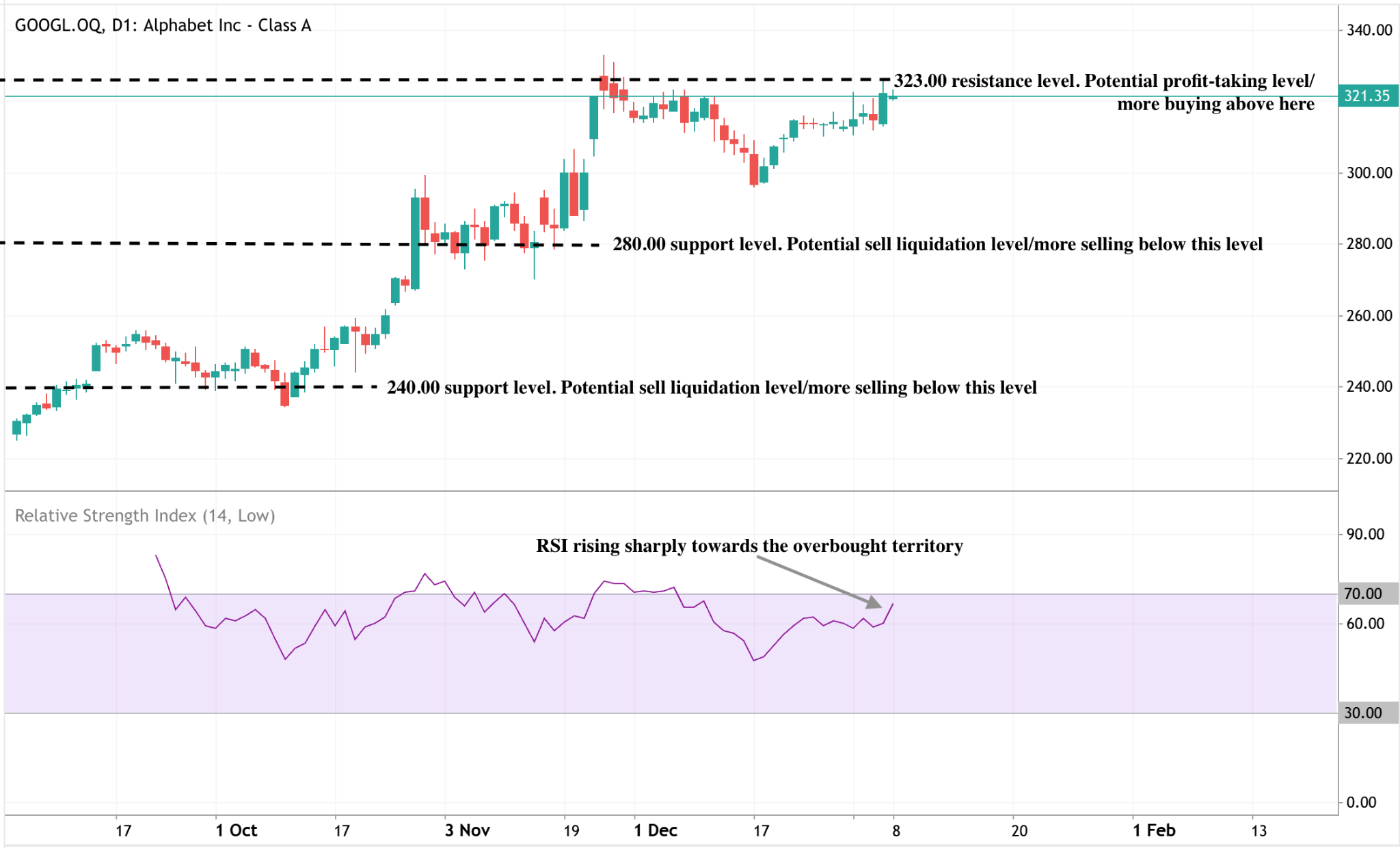
Alphabet is pressing back toward the $323 resistance level after a strong multi-month rally, with price consolidating just below a key supply zone that has previously attracted profit-taking.
The broader structure remains firmly bullish, with higher highs and higher lows intact, while the recent pullback has been absorbed without damaging trend support. Momentum indicators suggest a stretched yet constructive setup: the RSI is rising sharply toward overbought territory, indicating strong upside momentum, but also increasing the likelihood of near-term consolidation.
On the downside, the $280 level remains a key support zone, with a deeper correction only coming into view below $240. A sustained break above $323 would likely confirm a bullish continuation, while a failure to clear the resistance could see the price pause to digest gains rather than signal a trend reversal.
The performance figures quoted are not a guarantee of future performance.


