
Why silver is rising as geopolitics choke physical supply

Silver prices have surged to historic highs as geopolitical shocks collide with a market already strained by years of physical shortages. Spot silver has surpassed $80 per ounce, extending gains of more than 140% in 2025, despite US Treasury yields remaining elevated and the dollar holding firm.
This rally is not being driven solely by speculative excess. The combination of escalating geopolitical risk, tightening control over physical supply, and relentless industrial demand has altered the structure of the silver market itself. As paper prices struggle to reflect physical scarcity, investors are being forced to rethink what silver is worth - and why.
What’s driving silver’s rise?
Geopolitics has returned as a central force in commodity pricing, and silver has emerged as an unexpected focal point. According to sources, the US military’s capture of Venezuelan president Nicolás Maduro has unsettled global markets, reigniting fears of wider intervention across Latin America.
President Donald Trump’s pledge that the US would “run” Venezuela, combined with threats directed at Mexico, Cuba, Colombia, and even Greenland, has injected persistent uncertainty into risk assets, according to analysts.
Historically, such episodes pushed investors toward gold. This time, silver has moved faster. Morgan Stanley strategist Amy Gower warned that geopolitical events “bring upside risks to precious metals,” reaffirming a constructive outlook for metals into 2026.
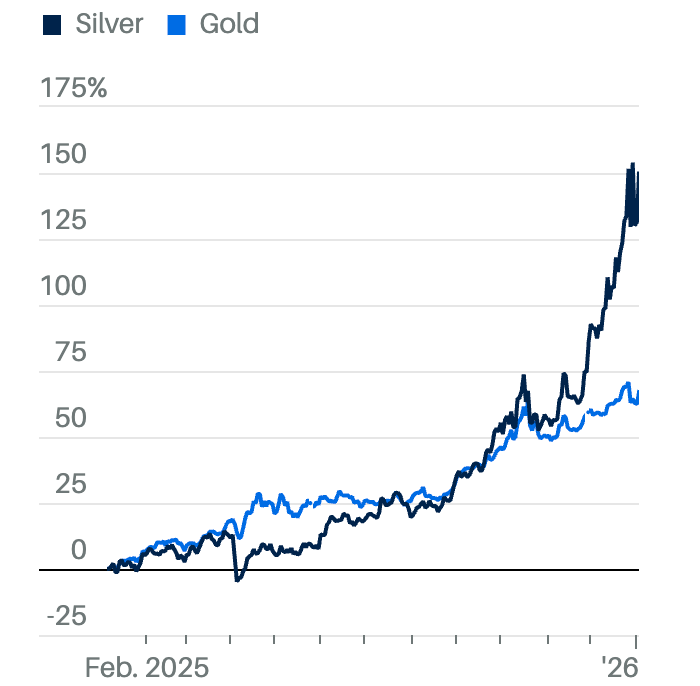
The difference now lies in market tightness. Silver entered this geopolitical shock with little spare capacity, leaving prices highly sensitive to disruption.
Why it matters
Silver’s current rally challenges long-held assumptions about how precious metals behave in times of stress. Past spikes, including the Hunt brothers’ corner in 1980 and the quantitative easing surge in 2011, were ultimately undone by available inventories and leverage-driven excess. When pressure mounted, supply emerged, and prices collapsed.
Today’s setup looks fundamentally different. For several consecutive years, global silver demand has exceeded mine production and recycling. Industrial consumption - led by solar panels, electric vehicles, and electronics - has expanded rapidly, while above-ground inventories have steadily drained.
Jefferies strategist Mohit Kumar noted that diversification away from the US dollar should gain momentum, with gold as the main beneficiary, but silver’s hybrid role gives it a distinct edge.
Impact on markets and industry
The silver market is now grappling with a growing disconnect between paper contracts and physical metal. Futures prices continue to be driven by liquidity and margin dynamics, but physical buyers are paying a significantly different price. While the heavily traded COMEX March 2026 contract closed near $72 per ounce, one-ounce silver coins in Dubai are trading close to $100, a spread that far exceeds normal fabrication premiums.
This divergence reflects stress rather than speculation. Industrial users cannot substitute paper silver for physical metal. Solar manufacturers, electronics firms, and EV producers require real supply, and geopolitical constraints are tightening access. China’s decision to classify silver as a strategic commodity has further restricted exports, turning each outbound shipment into a political decision rather than a simple response to price signals.
Expert outlook
Attempts to cool the rally have had limited success. CME Group recently raised margin requirements on silver futures by more than 60%, forcing leveraged traders to reduce exposure and increasing short-term volatility.
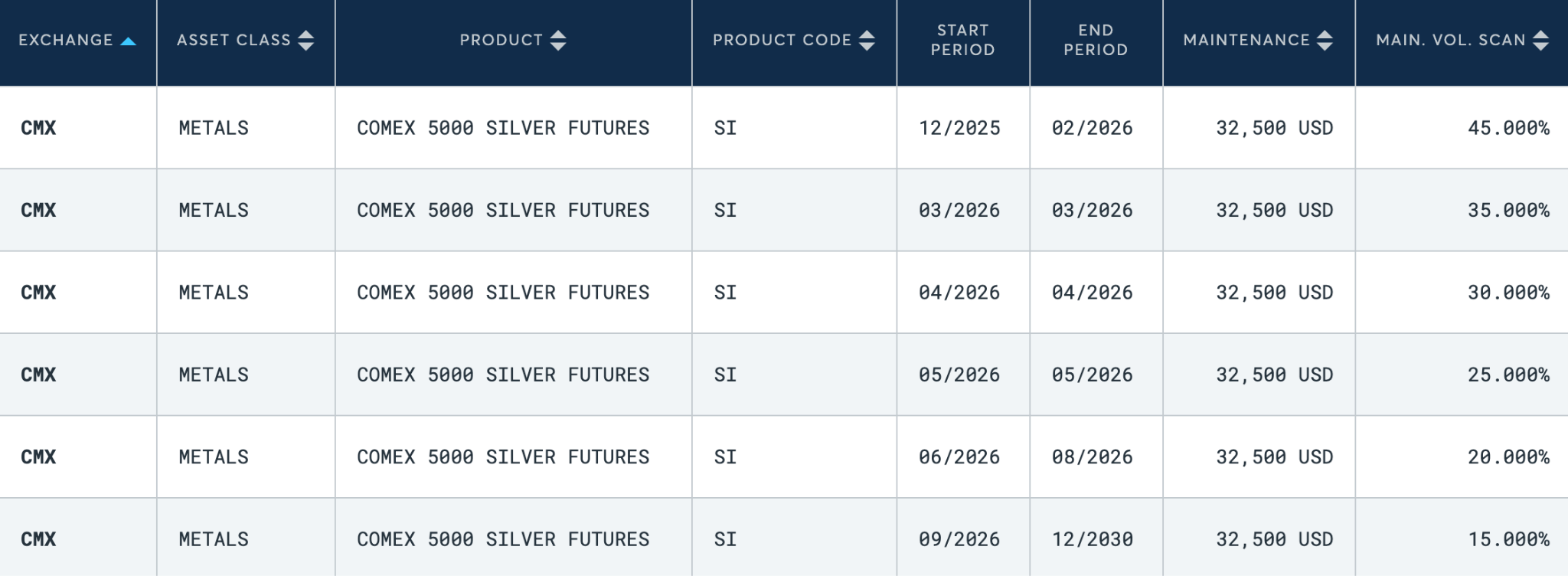
Veteran trader Francis Hunt argues that such measures “shake out weak hands” but do nothing to solve the underlying shortage. In a structurally tight market, higher margins cannot create new ounces.
Looking ahead, analysts see volatility as inevitable but not necessarily bearish. As long as industrial demand continues to rise and geopolitical risk constrains supply, pullbacks are likely to attract buyers rather than signal exhaustion. The silver market is increasingly behaving less like a speculative trade and more like a strategic resource.
Key takeaway
Silver’s rise is not simply a reaction to geopolitical fear. It reflects a market shaped by years of under-supply, rising industrial demand, and tightening political control over physical flows. Margin hikes and volatility may slow the pace, but they cannot reverse the structural imbalance. The next signals to watch are industrial demand trends, Chinese export policy, and whether physical premiums continue to widen.
Silver technical outlook
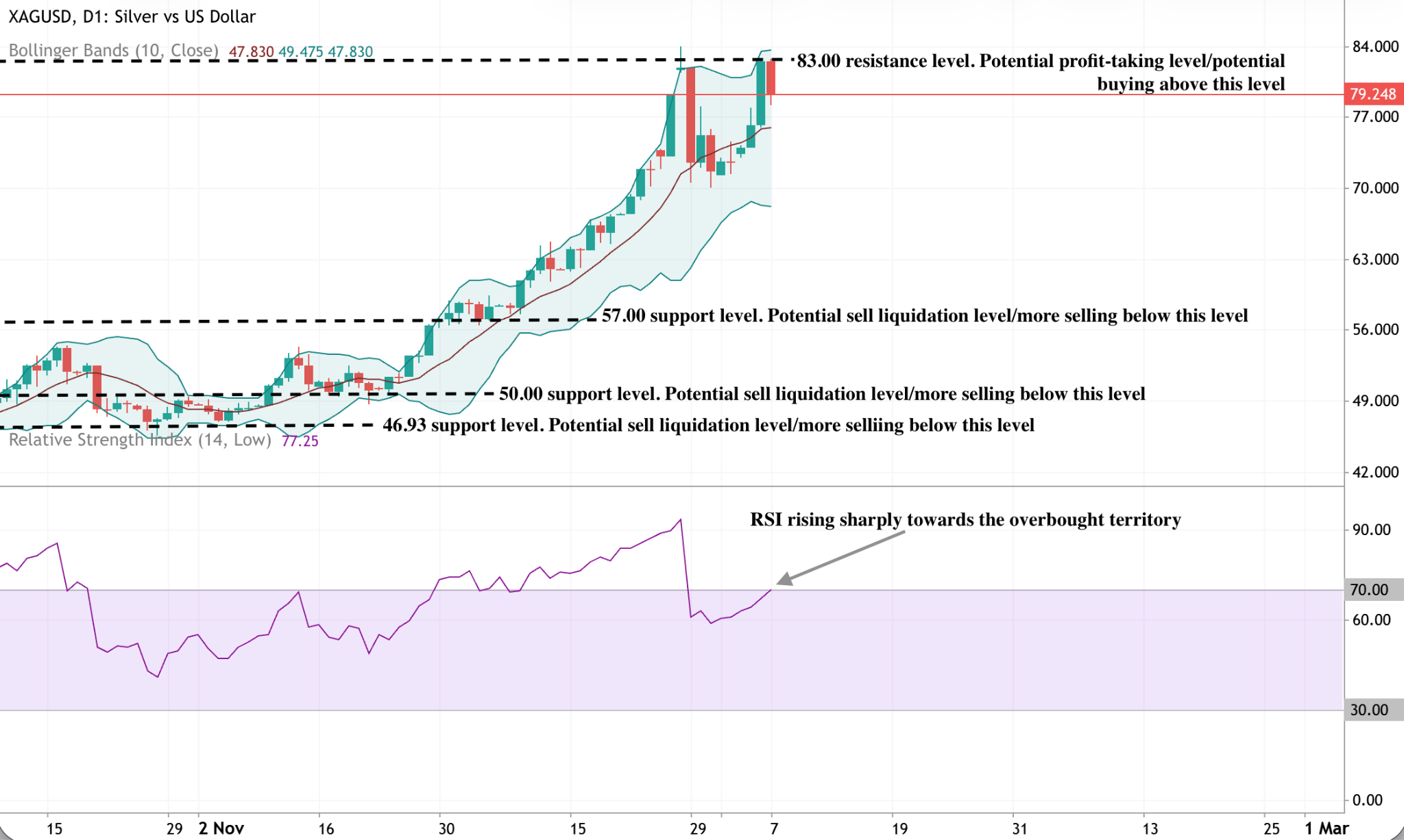
Silver is extending its strong bullish advance but is now stalling just below the $83 resistance zone, an area that has historically attracted profit-taking. The rally has been fuelled by expanding Bollinger Bands, signalling elevated volatility and aggressive upside momentum.
However, momentum indicators suggest the move is becoming stretched: the RSI is rising sharply toward overbought territory, increasing the risk of near-term consolidation rather than signalling an immediate reversal.
Structurally, the trend remains firmly constructive as long as price holds above the $57 support, with deeper downside protection at $50 and $46.93. A sustained break above $83 would likely reopen the upside, while failure to clear resistance could see silver pause to digest gains before the next directional move.
The performance figures quoted are not a guarantee of future performance.


