
Wall Street පුරාවෘත්තයක් මිල 50% කින් පහත වැටීම 'ආසන්න වශයෙන් සහතික' යැයි පවසන්නේ ඇයි, ඒ අතරතුර Citi $150 ඉලක්ක කරයි

රිදී මිල හුදෙක් ඉහළ ගියා පමණක් නොව, එය පුපුරා ගොස් ඇත, වසරක් තුළ 3 ගුණයකින් පමණ ඉහළ ගොස් $100/oz සීමාව බිඳ දමා ඇත. එහෙත් Wall Street හි ප්රසිද්ධම උපායමාර්ගිකයෙකු අනතුරු අඟවන්නේ ලෝහය මෙතැන් සිට 50% කින් පමණ පහත වැටීම "ආසන්න වශයෙන් සහතික" බවයි. හිටපු JPMorgan ප්රධාන උපායමාර්ගික Marko Kolanovic පවසන්නේ රිදීවල මෙම parabolic චලනය සම්භාව්ය සමපේක්ෂන පිපිරීමක් (speculative blow-off) බවයි.
රිදී මිල ඉහළ යාම කොතරම් තීව්රද?
පසුගිය වසර පුරා, රිදී 30 ගණන්වල පහළ මට්ටමේ සිට අවුන්සයකට ඩොලර් 115–118 පමණ වාර්තාගත intraday ඉහළ අගයන් දක්වා වේගයෙන් ඉහළ ගොස් ඇති අතර, දළ වශයෙන් 250–270% ක ප්රතිලාභයක් ලබා දෙමින් රත්රන් සහ බොහෝ ප්රධාන කොටස් දර්ශක අභිබවා ගොස් ඇත.
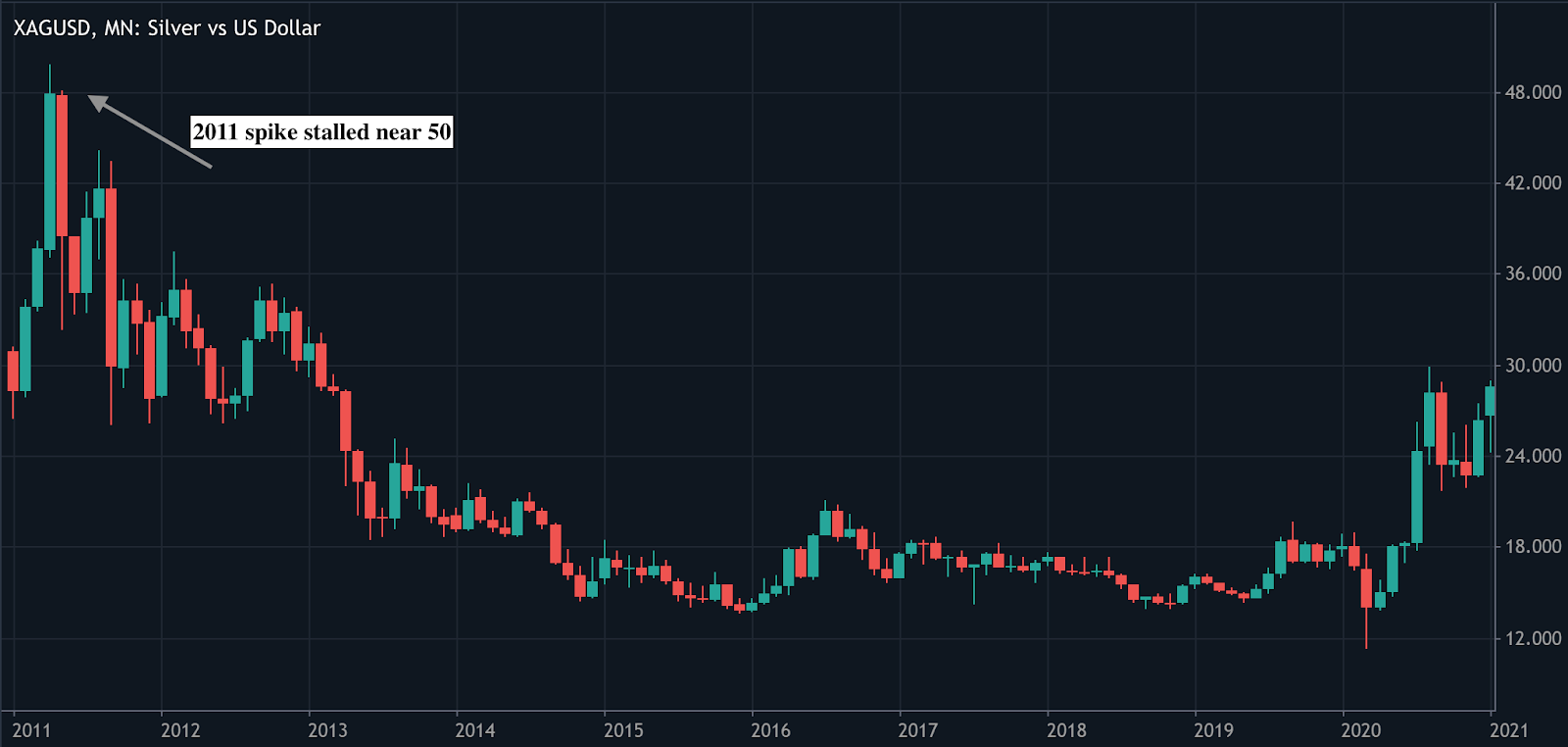
Citi සටහන් කරන්නේ මෙම හදිසි ඉහළ යාම දැනටමත් රිදී $117.7 ආසන්නයේ පවතින සර්වකාලීන intraday ඉහළ අගයකට තල්ලු කර ඇති බවත්, රන්-රිදී අනුපාතය (gold‑to‑silver ratio) 50 ට වඩා අඩු කර ඇති බවත්, වෙළඳාම රිදීවලට වාසිදායක ලෙස කොතරම් ප්රචණ්ඩ ලෙස වෙනස් වී ඇත්ද යන්න අවධාරණය කරන බවත්ය. සන්දර්භය සඳහා, 2011 දී සිදු වූ අවසාන ප්රධාන ඉහළ යාම $50 ආසන්නයේ නතර වූ අතර ඉන්පසු දරුණු බහු-වාර්ෂික bear market එකක් ඇති විය. මෙය අද පවතින මිල මට්ටම නාමික වශයෙන් පෙර නොවූ විරූ තත්ත්වයක් බවට පත් කරයි.
විශ්ලේෂකයින් සටහන් කරන්නේ මෙම චලනය රිදී නිද්රාශීලී වටිනා ලෝහයක සිට සිරස්තල මවන momentum වත්කමක් බවට පත් කර ඇති බවත්, intraday වෙනස්වීම් ඉලක්කම් දෙකේ ප්රතිශත වලින් මනිනු ලබන බවත්ය. එවැනි අස්ථාවරත්වයක් භාණ්ඩ (commodity) උත්පාතවල අවසාන අදියරයන්හි සාමාන්ය ලක්ෂණයකි, එහිදී සෙමින් ගමන් කරන මූලික කරුණු නොව, ආන්තික ප්රවාහයන් සහ හැඟීම් මිල ක්රියාකාරිත්වය පාලනය කරයි.
Bear case එක: Kolanovic ගේ "ආසන්න වශයෙන් සහතික" 50% කඩාවැටීම
Kolanovic ගේ අනතුරු ඇඟවීම සෘජු ය: ඔහු පවසන්නේ රිදී "වසරක් හෝ ඊට වැඩි කාලයක් තුළ මෙම මට්ටම්වල සිට ~50% කින් පහත වැටීම ආසන්න වශයෙන් සහතික" බවයි. වර්තමාන ඉහළ යාම සමපේක්ෂන බුබුලක (speculative bubble) සියලු ලක්ෂණ දරන බව ඔහු තර්ක කරයි.
මූලික කරුණු වල කල් පවතින වැඩිදියුණු කිරීම්වලට වඩා, දැඩි momentum මිලදී ගැනීම්, meme-style වෙළඳ හැසිරීම් සහ macro-fear ස්ථානගත කිරීම් ප්රධාන ධාවකයන් ලෙස ඔහු පෙන්වා දෙයි. ඔහුගේ මතය අනුව, රිදී සාම්ප්රදායික වටිනාකම් ගබඩාවක් ලෙස අඩුවෙන් වෙළඳාම් වන අතර, දෙපැත්තටම ප්රචණ්ඩ ලෙස ගමන් කළ හැකි leveraged macro උපකරණයක් ලෙස වැඩිපුර ක්රියා කරයි.
මෙම තර්කය ඉතිහාසය මත පදනම් වී ඇත: parabolic ලෙස ඉහළ යන භාණ්ඩ කලාතුරකින් සුමටව ස්ථාවර වේ; ස්ථානගත කිරීම් ලිහිල් වන විට සහ ආන්තික ගැනුම්කරුවන් අතුරුදහන් වන විට ඒවා දැඩි ලෙස mean-revert වීමට නැඹුරු වේ. 2011 රිදී බිඳවැටීම සහ 1970 ගණන්වල වල් boom-bust චක්ර බොහෝ විට උදාහරණ ලෙස දක්වනු ලැබේ, එහිදී දිගුකාලීන තේමාවන් අවසන් නොකරම ප්රීතිමත් උච්චතම අවස්ථාවන්ගෙන් පසු ගැඹුරු පසුබෑම් ඇති විය.
Kolanovic අවධාරණය කරන්නේ, හුදෙක් මනඃකල්පිත වත්කම් මෙන් නොව, භාණ්ඩ බුබුලු අවසානයේ භෞතික යථාර්ථය සමඟ ගැටෙන බවයි. මන්ද ඉහළ මිල ගණන් කාර්මික ඉල්ලුම විනාශ කරයි, ප්රතිචක්රීකරණය වේගවත් කරයි, සහ නව hedged සැපයුම් දිරිමත් කරයි.
Bull case එක: Citi හි $150 ඉලක්කය සහ "gold on steroids"
අනෙක් අතට, Citi හි භාණ්ඩ කණ්ඩායම උපායශීලීව වඩාත් bullish වී ඇති අතර, ඔවුන්ගේ මාස 0–3 රිදී මිල ඉලක්කය අවුන්සයකට ඩොලර් 150 දක්වා ඉහළ නංවා ඇත. මෙය මෑත මට්ටම්වල සිට තවත් 30–40% ක ඉහළ යාමක් පෙන්නුම් කරයි. Citi හි Maximilian Layton ලියන්නේ, "අපි උපායශීලීව bullish ව සිටින අතර අපගේ මාස 0–3 මිල ඉලක්කය $150/oz දක්වා යාවත්කාලීන කරමු," යනුවෙනි. ඔහු රිදීවල වර්තමාන හැසිරීම "gold squared" හෝ "gold on steroids" ලෙස හඳුන්වන්නේ ප්රාග්ධන ප්රවාහයන් macro hedges පසුපස හඹා යන බැවිනි.
බැංකුව තර්ක කරන්නේ මෙම රැළිය සාම්ප්රදායික මූලික කරුණු වලට වඩා ප්රාග්ධන ප්රවාහයන් සහ සමපේක්ෂන ඉල්ලුම මගින් මෙහෙයවනු ලබන බවයි, නමුත් රත්රන් වලට සාපේක්ෂව වෙළඳපොළ මිල අධික ලෙස පෙනෙන්නට පෙර එම ප්රවාහයන්ට තවදුරටත් ක්රියාත්මක වීමට ඉඩ ඇති බව ඔවුහු විශ්වාස කරති.
Citi ප්රධාන ආධාරක තුනක් ඉස්මතු කරයි: ඉහළ ගිය භූ දේශපාලනික අවදානම්, Federal Reserve ස්වාධීනත්වය පිළිබඳ නැවත ඇති වූ උත්සුකයන්, සහ චීන සහ අනෙකුත් ආසියානු ආයෝජකයින් විසින් මෙහෙයවනු ලබන ශක්තිමත් ආයෝජන සහ සමපේක්ෂන ඉල්ලුම.
එක්සත් ජනපදයෙන් පිටත භෞතික සැපයුම දැඩි ලෙස පෙනෙන බවත්, ප්රධාන වෙළඳපලවල ඉහළ වාරික සහ ඉදිරි වසරවලදී අපේක්ෂිත අඛණ්ඩ හිඟයන් පවතින බවත් වාර්තා වේ. මෙම රාමුව තුළ, ඕනෑම ප්රධාන සාමාන්යකරණයකට පෙර රිදී ඉහළ අගයක් ගනු ඇතැයි අපේක්ෂා කෙරේ, විශේෂයෙන් චීනයේ සහ වෙනත් තැන්වල trend-following සිල්ලර ප්රවාහයන් දිගටම වෙළඳාමට එකතු වුවහොත්.
කාර්මික ඉල්ලුම, සූර්ය බලශක්තිය සහ ආදේශන අවදානම
සමපේක්ෂන පෙනුමට යටින්, රිදී තවමත් කාර්මික ලෝහයක් ලෙස පවතී: කාර්මික යෙදුම් දැන් ගෝලීය රිදී ඉල්ලුමෙන් දළ වශයෙන් 58% ක් නියෝජනය කරන අතර, පුනර්ජනනීය බලශක්තිය, ඉලෙක්ට්රොනික උපකරණ සහ මෝටර් රථ භාවිතයන් විශේෂයෙන් වැදගත් වේ.
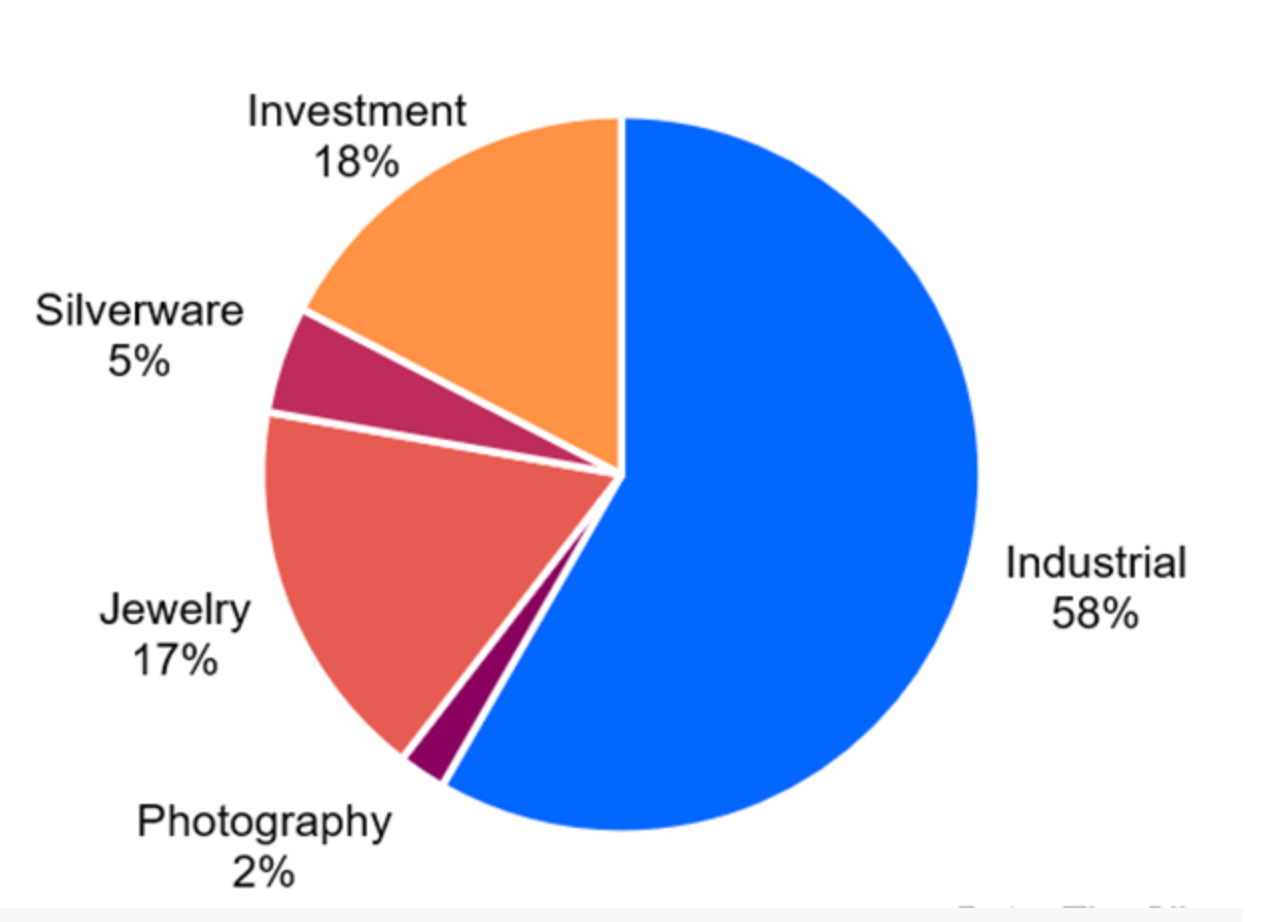
Silver Institute සහ Metals Focus අපේක්ෂා කරන්නේ කාර්මික ඉල්ලුම අවුන්ස මිලියන 700 ක් පමණ වනු ඇති බවයි. මෙය බොහෝ දුරට ප්රකාශ වෝල්ටීයතා (photovoltaics) මගින් මෙහෙයවනු ලබන අතර, එහිදී රිදීවල සන්නායකතාවය සූර්ය කෝෂ සඳහා තීරණාත්මක වේ. මෑත ඇස්තමේන්තු වලට අනුව 2024 දී මුළු රිදී ඉල්ලුමෙන් 19–20% ක් පමණ, එනම් අවුන්ස මිලියන 230 ක් පමණ සූර්ය බලශක්තිය නියෝජනය කළ හැකි අතර, සූර්ය බලශක්ති ඉල්ලුම 2022 ට සාපේක්ෂව දෙගුණයක් වී ඇත.
ඒ අතරම, ඉහළ මිල ගණන් දැනටමත් සමහර යෙදුම්වල "silver thrifting" සහ ලාභදායී මූලික ලෝහ මගින් ආදේශ කිරීම වේගවත් කරයි. කර්මාන්ත වාර්තා විස්තර කරන්නේ LONGi වැනි ප්රමුඛ මොඩියුල නිෂ්පාදකයින් ඔවුන්ගේ සූර්ය කෝෂවල රිදී භාවිතය අඩු කිරීමට කටයුතු කරන බවත්, පිරිවැය නිරාවරණය අඩු කිරීම සඳහා තඹ පදනම් කරගත් ලෝහකරණය සහ වෙනත් නවෝත්පාදනයන් ගවේෂණය කරන බවත්ය.
මෙය ආතතියක් නිර්මාණය කරයි: ව්යුහාත්මකව දැඩි සැපයුම සහ හරිත ආර්ථිකයේ ඉල්ලුම bull case එකට සහාය දක්වයි, නමුත් ඉතා ඉහළ මිල ගණන් අනාගත ඉල්ලුම විනාශ කිරීමේ සහ ආදේශ කිරීමේ බීජ ද වපුරයි - මෙය හරියටම Kolanovic අනතුරු අඟවන ගතිකත්වයයි.
ස්ථානගත කිරීම්, ETFs, චීනය සහ නව momentum වෙළඳාම
මෙම රිදී රැළිය පෙර චක්රවලට වඩා වෙනස් බව පෙනේ, මන්ද සමපේක්ෂන ගුරුත්වාකර්ෂණ කේන්ද්රය වෙනත් තැනක පවතින බැවිනි. Citi නිරීක්ෂණය කරන්නේ ගෝලීය රිදී ETF රඳවා ගැනීම් පහත වැටීම සහ COMEX ස්ථානගත කිරීම් අඩුවීම වැනි ඓතිහාසිකව bearish සංඥා කිහිපයක් මිල ගණන් මන්දගාමී කිරීමට අසමත් වී ඇති බවයි. මෙයින් ඇඟවෙන්නේ මිලදී ගැනීම් වලින් වැඩි ප්රමාණයක් බටහිර ETFs වෙනුවට ආසියානු අනාගත (futures) සහ OTC වෙළඳපල වලින් පැමිණෙන බවයි.
මෙම චලනය පිළිබඳ ආවරණය සටහන් කරන්නේ චීන සිල්ලර වෙළඳුන් ප්රධාන ක්රීඩකයින් වී ඇති බවත්, අනාගත ආන්තික (futures margins) ඉහළ නැංවීම සහ ප්රධාන දේශීය රිදී ETF වෙත නව දායකත්වයන් සීමා කිරීම ඇතුළුව කොන්දේසි දැඩි කිරීමට බලධාරීන් පෙළඹී ඇති බවත්ය.
iShares Silver Trust, Aberdeen Standard Physical Silver, සහ Sprott Physical Silver Trust වැනි බටහිර වාහන macro සහ සිල්ලර ආයෝජකයින් සඳහා වැදගත් දොරටු ලෙස පවතී, නමුත් ඒවා තවදුරටත් මෙම නවතම ඉහළ යාමේ ප්රධාන ආන්තික ධාවකයන් ලෙස නොපෙනේ.
Kolanovic ගේ අනතුරු ඇඟවීම පැහැදිලිවම රිදී ETFs තියුණු ස්ථානගත කිරීම් ලිහිල් වීමේ අවදානමක් ඇති තදබදයක් සහිත macro වෙළඳාම් ලෙස හුවා දක්වයි. ඒ අතරම, සමහරු "parabolic mania" ලෙස හඳුන්වන දෙයට එරෙහිව ආයෝජකයින්ට ස්ථානගත වීමට ඉඩ දීම සඳහා bearish ETF-කේන්ද්රීය නිෂ්පාදන මතු වී ඇත. Bull සහ bear යන කඳවුරු දෙකම එක් තීරණාත්මක කරුණක් මත ව්යංගයෙන් එකඟ වේ: ස්ථානගත කිරීම අන්තයට ගොස් ඇති අතර, ප්රවාහයන්ගේ ඕනෑම වෙනසක් කෙටි කාලයක් තුළ ඕනෑම දිශාවකට ඉතා විශාල චලනයන් බවට පරිවර්තනය විය හැකිය.
50% ක පසුබෑමක් හෝ $150 දක්වා ඉහළ යාමක් අදහස් කරන්නේ කුමක්ද?
වෙළඳපල නිරීක්ෂකයින් සඳහන් කළේ Kolanovic නිවැරදි නම් සහ 2026 අග වන විට රිදී එහි මෑත මිලෙන් අඩකට පමණ වෙළඳාම් වන්නේ නම්, $110–$115 පමණ සිට $50–$60 පරාසය දක්වා චලනය වීම ප්රමාද වී පැමිණි ගැනුම්කරුවන්ට, leveraged වෙළඳුන්ට සහ ඉහළ පිරිවැයක් සහිත පතල්කරුවන්ට විශාල පාඩු සිදු කරනු ඇති බවයි. රිදී සහ අනෙකුත් භාණ්ඩවල පෙර බිඳවැටීම්වලට සාපේක්ෂව මනින විට එවැනි පසුබෑමක් වේදනාකාරී වනු ඇතත් ඓතිහාසිකව පෙර නොවූ විරූ දෙයක් නොවේ. එය කාර්මික පරිශීලකයින් මත ඇති පීඩනය තරමක් ලිහිල් කළ හැකි අතර, thrifting සහ ආදේශනය මන්දගාමී වන, ඉල්ලුම ස්ථාවර වන සහ ලෝහය ඊළඟ දිගුකාලීන ඉහළ යාම සඳහා පදනමක් ගොඩනඟන නැවත සමතුලිතතාවයක් වේගවත් කළ හැකිය.
ඒ වෙනුවට Citi හි උපායශීලී bull case එක ක්රියාත්මක වුවහොත්, $150 දක්වා ඉහළ යාම රන්-රිදී අනුපාතය තවදුරටත් සම්පීඩනය කරනු ඇති අතර macro fear සහ ද්රවශීලතාවයේ high-beta ප්රකාශනය ලෙස රිදීවල තත්ත්වය තහවුරු කරනු ඇත.
කෙසේ වෙතත්, එවැනි මට්ටම් ප්රධාන වෙළඳපලවල ප්රතිපත්තිමය ප්රතිචාර තීව්ර කිරීමට ඉඩ ඇත - දැඩි ආන්තික නීති, සමපේක්ෂන ප්රවේශය සීමා කිරීම හෝ වෙනත් ක්රියාමාර්ග හරහා - සහ හැකි තරම් යෙදුම් වලින් රිදී ඉවත් කිරීමට සූර්ය සහ ඉලෙක්ට්රොනික අංශවල උත්සාහයන් වේගවත් කරනු ඇත. Citi විසින්ම අනතුරු අඟවන්නේ, මධ්යම හා දිගුකාලීන සැපයුම්-ඉල්ලුම් ශේෂය දැඩි ලෙස පෙනුනද, එවැනි තියුණු ඉහළ යාමකින් පසු කෙටි කාලීන අස්ථාවරත්වය වැඩි විය හැකි බවයි.
ප්රධාන කරුණු
රිදී දැන් momentum සහ mean reversion අතර හැරවුම් ලක්ෂ්යයක පවතී. එක් පැත්තකින්, Citi දකින්නේ ප්රබල macro ප්රවාහයන්, දැඩි භෞතික සැපයුම සහ සමපේක්ෂන ඉල්ලුම නුදුරු කාලීනව මිල ගණන් $150 තරම් ඉහළට තල්ලු කරන බවයි. අනෙක් අතට, Marko Kolanovic අනතුරු අඟවන්නේ ඉතිහාසය කලාතුරකින් parabolic භාණ්ඩ චලනයන්ට කාරුණිකව සලකන බවත්, ස්ථානගත කිරීම් ලිහිල් වූ පසු සහ ඉහළ මිල ගණන් ඉල්ලුම විනාශ කිරීමට පටන් ගත් පසු 50% ක පසුබෑමක් හුරුපුරුදු ප්රතිඵලයක් බවත්ය.
වෙළඳුන් සහ ආයෝජකයින් සඳහා පණිවිඩය පැහැදිලි ය: රිදී තවමත් ඉහළ යාමේ හැකියාවක් තිබිය හැක, නමුත් එය තවදුරටත් නිහඬ උද්ධමන ආවරණයක් (inflation hedge) නොවේ - එය ඉහළ අස්ථාවරත්වයක් සහිත, ඉහළ විශ්වාසයක් සහිත macro වෙළඳාමක් වන අතර එහිදී කාල නිර්ණය සහ අවදානම් කළමනාකරණය වෙන කවරදාටත් වඩා වැදගත් වේ.
රිදී තාක්ෂණික දැක්ම
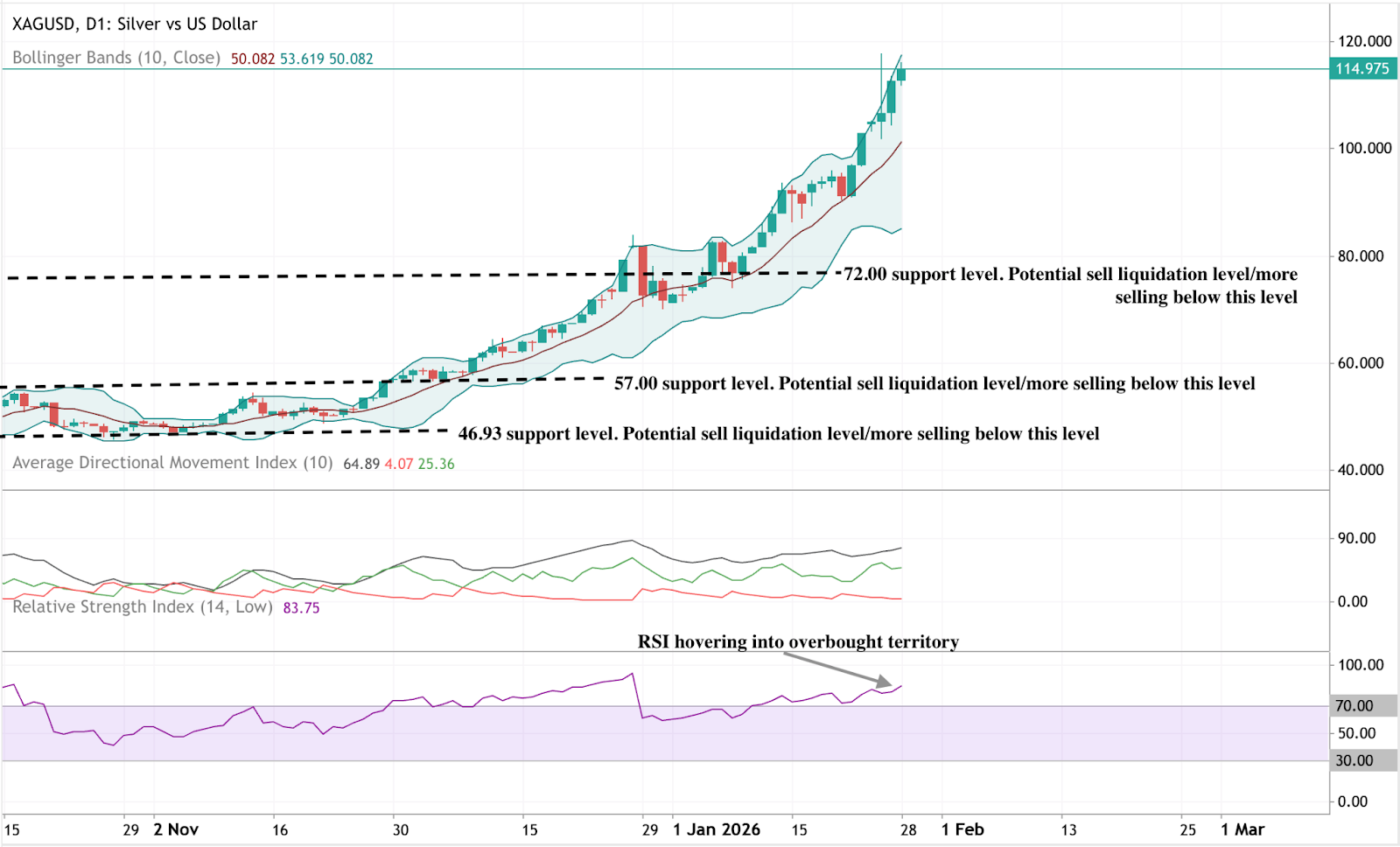
අස්ථාවරත්වය ඉහළ මට්ටමක පවතින බැවින් ඉහළ Bollinger Band එක අනුගමනය කරමින් රිදී නව මිල කලාපයකට දිගටම ගමන් කර ඇත. Bollinger Bands පුළුල් ලෙස විස්තාරණය වී ඇති අතර, මෑත ත්වරණයෙන් පසුව අඛණ්ඩ ඉහළ අස්ථාවර පරිසරයක් පෙන්නුම් කරයි.
Momentum දර්ශක අන්ත කියවීම් පෙන්වයි, RSI overbought කලාපයේ සහ ADX ඉහළ මට්ටම්වල පවතින අතර, එය ශක්තිමත්, පරිණත ප්රවණතා අවධියක් පිළිබිඹු කරයි. ව්යුහාත්මක දෘෂ්ටි කෝණයකින්, වර්තමාන මිල ගණන් $72, $57 සහ $46.93 අවට පෙර ඒකාබද්ධ කිරීමේ ප්රදේශවලට වඩා ඉහළින් පවතින අතර, මෑත චලනයේ පරිමාණය නිදර්ශනය කරයි.
උපුටා දක්වා ඇති කාර්ය සාධන සංඛ්යා අනාගත කාර්ය සාධනය පිළිබඳ සහතිකයක් නොවේ.


