
Почему золото и серебро бьют рекорды в 2025 году

Золото и серебро бьют рекорды в 2025 году, поскольку структурный спрос, изменения в политике и реальные дефициты совпали одновременно, что подтолкнуло оба металла к историческим максимумам. Золото выросло почти на 60% за этот год и торгуется около $4 200 за унцию после падения ниже $4 000 в конце октября — начале ноября. Уровень 4000 психологически стал ценовым полом в середине ноября. На момент написания золото торгуется в диапазоне 4200. Серебро за 11 месяцев почти удвоилось, достигнув новых максимумов около $56. Эти движения — не спекулятивные всплески, а отражение мощных, пересекающихся факторов, меняющих мировые рынки.
Поворотный момент для драгоценных металлов
Эта сверхпроизводительность стала ключевым фокусом финансовых рынков в 2025 году, особенно на фоне резкого контраста с историческими результатами. Центральные банки ускоряют диверсификацию резервов, а производители, использующие серебро в качестве сырья, конкурируют за сокращающиеся физические запасы. Инвесторы готовятся к миру, где возвращаются понижения ставок и сохраняются геополитические потрясения. Понимание этого сдвига — ключ к тому, чтобы понять, куда могут направиться золото и серебро дальше и что их рост говорит о состоянии мировой экономики.
Что движет прорывом золота и серебра
Рост золота в 2025 году основан на фундаменте, заложенном за несколько лет. Покупки центральных банков стали мощным двигателем спроса в последние месяцы. За последние 11 месяцев золото показало положительную динамику в 10 из них, что помогло спотовым ценам взлететь более чем на 60% и вывело металл на путь к самому сильному годовому результату почти за полвека. Это не спекулятивный пузырь, а долгосрочная страховка портфеля от валютной волатильности, санкционных рисков и растущего фискального давления.
Динамика доходности Treasury также стала важным фактором. Ожидания дальнейших снижений процентных ставок со стороны Федеральной резервной системы США и других крупных центральных банков снизили реальные доходности, ослабили доллар и сделали бездоходные активы, такие как золото, более привлекательными.
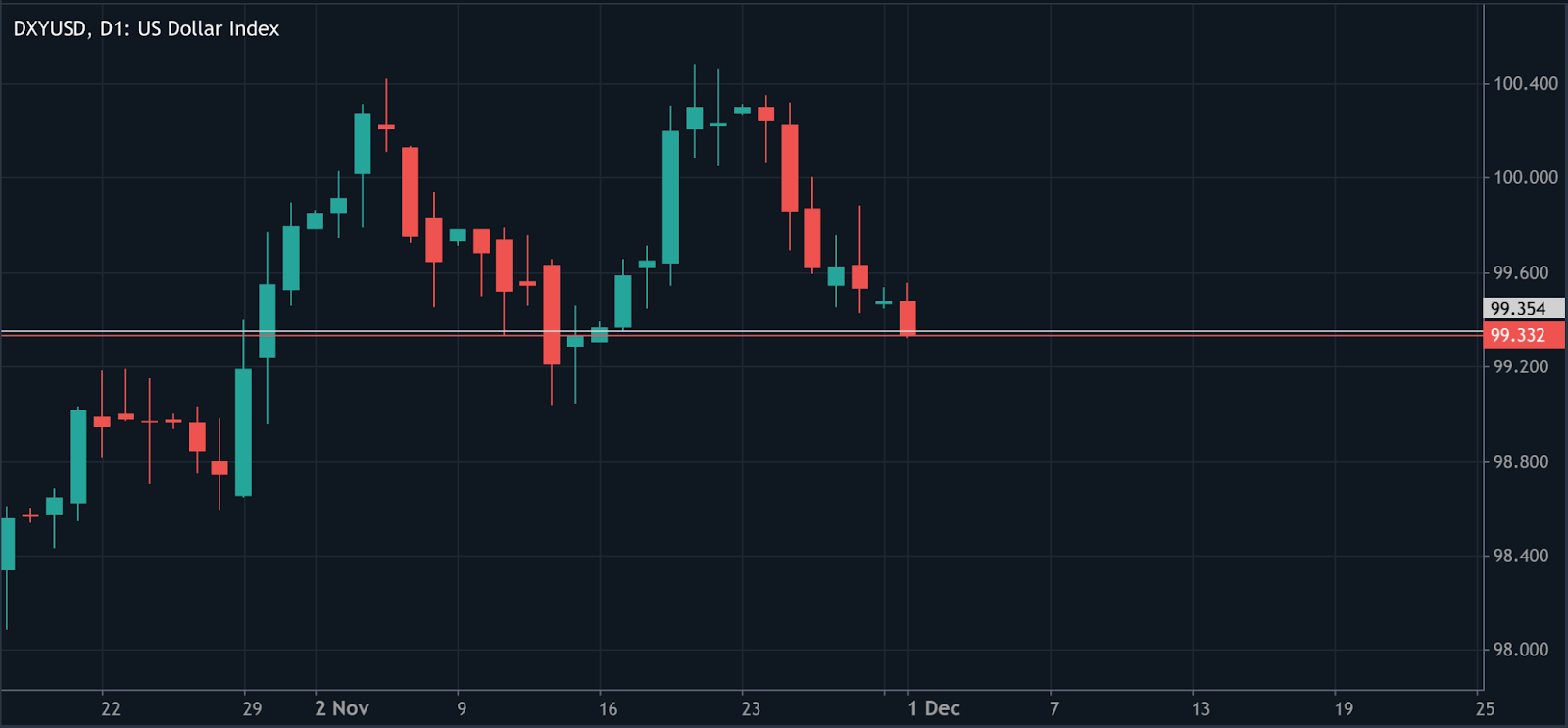
Инвесторы, стремящиеся застраховаться от устойчивой инфляции, растущих дефицитов и чрезмерной концентрации на рынке акций, находят все меньше надежных якорей. Золото, остающееся выше психологически важной отметки $4 000, вновь утверждается как самый простой хедж против сложной экономической ситуации.
Ралли серебра, вызванное дефицитом
История серебра, хотя и связана с ралли драгоценных металлов, имеет свои особенности. Всего за 11 месяцев металл подорожал примерно на 94%, а цены достигли рекордных $56,60 за унцию.

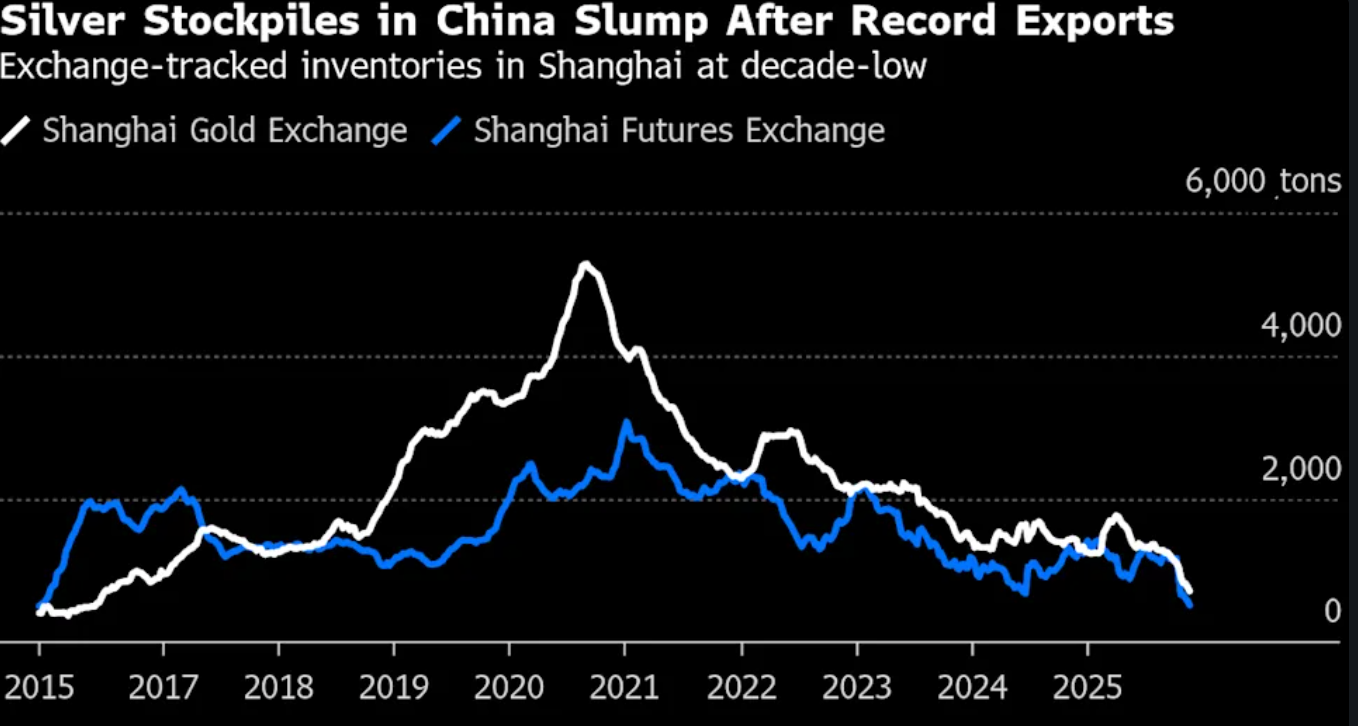
Взлет серебра связан с промышленным спросом, который в течение нескольких лет рос быстрее предложения. Запасы в лондонских хранилищах сократились примерно с 31 000 метрических тонн в середине 2022 года до около 22 000 тонн к началу 2025 года. В октябре ставки по овернайт-лизингу подскочили до эквивалента 200% годовых, когда трейдеры спешили обеспечить себе металл — явный признак напряженности на рынке. Ситуация в Лондоне схожа с Китаем, где также наблюдалось сокращение запасов на фоне рекордного экспорта свыше 660 тонн.
В то же время всплеск сезонных покупок в Индии и продолжающийся рост производства солнечных панелей, электроники и электромобилей поглотили огромные объемы физического металла. Когда трейдеры начинают использовать авиаперевозки для соблюдения сроков поставки, это говорит не о восторге, а о дефиците.
Почему это важно
Рекордный рост золота и серебра заставляет инвесторов пересматривать свои представления о безопасности, диверсификации и ценности. После десятилетия, когда государственные облигации и американские технологические акции доминировали в обсуждении защитных активов, драгоценные металлы вновь возвращают себе роль, которую они играли в предыдущие периоды геополитической напряженности и фискального стресса. Как отметили в UBS, «продолжающаяся слабость доллара, снижение реальных доходностей и устойчивый геополитический риск» поддерживают привлекательность золота даже во время кратковременных всплесков оптимизма на рынке.
Для политиков ралли несет ясный сигнал: доверие к фискальной дисциплине и долгосрочной денежно-кредитной политике разрушается. Рост золота к $4 400 сигнализирует о беспокойстве по поводу дефицитов, обесценивания валюты и последствий многолетнего количественного смягчения. Сами центральные банки увеличивают свои золотые резервы, одновременно публично заявляя о приверженности инфляционным целям — противоречие, которое рынки не игнорируют. Рост серебра имеет значение для другой группы участников — от производителей возобновляемой энергетики до электронных компаний, все из которых зависят от уникальной проводимости и промышленной ценности металла.
Превосходство серебра особенно важно для развивающихся экономик, таких как Индия, где физическое серебро остается предпочтительной формой сбережений домохозяйств. Спрос, связанный с культурными традициями, циклами доходов в сельском хозяйстве и праздничными сезонами, усилился как раз в тот момент, когда мировое предложение сокращается. Это давление подтолкнуло местные цены к рекордным максимумам, сделав серебро одновременно и тихой гаванью, и источником финансового напряжения.
Влияние на рынки, промышленность и потребителей
Финансовые рынки уже ощущают последствия нового режима на рынке драгоценных металлов. Соотношение золото–серебро, начавшее 2025 год выше 100, теперь снизилось примерно до 75, поскольку серебро опережает золото в процентном выражении.
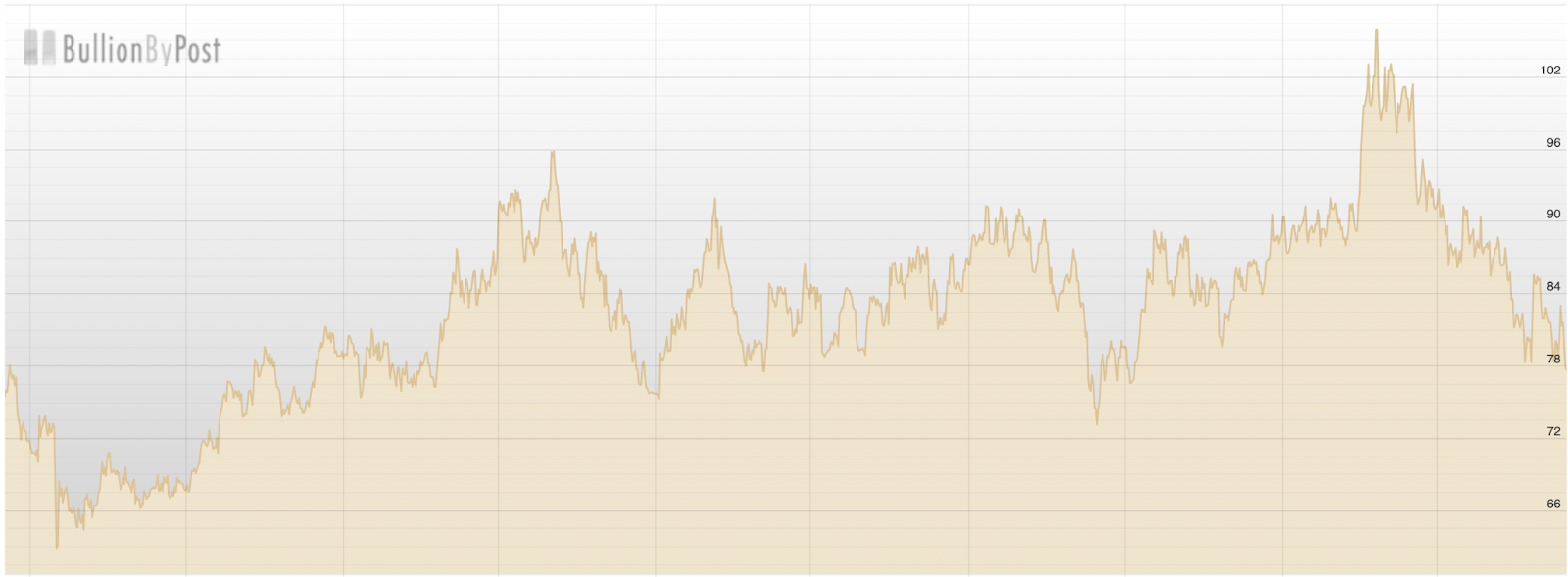
Соотношение все еще выше своего долгосрочного среднего значения около 70, что говорит о том, что у серебра остается потенциал для дальнейшего роста, если золото сохранит позиции. Этот сдвиг превратил само соотношение в рыночный сигнал — меру того, насколько агрессивно инвесторы переходят к более волатильным защитным активам.
Потоки в ETF и фьючерсные рынки усилили эти движения. По мере роста спотовых цен ETF привлекают притоки, ориентированные на импульс, а кредитное плечо на фьючерсах усиливает каждый скачок и коррекцию. Серебро особенно подвержено резким колебаниям, поскольку базовый рынок меньше и чувствительнее к принудительным ликвидациям. Для частных инвесторов это создает сочетание возможностей и рисков: серебро может принести значительную прибыль на растущем рынке, но быстро терять позиции при смене настроений.
Промышленная экономика сталкивается с более прямым давлением. Мировой спрос на серебро для промышленных нужд вырос до примерно 680,5 млн унций в 2024 году по сравнению с 644 млн годом ранее. Только производство солнечных панелей потребило около 244 млн унций — более чем вдвое больше, чем в 2020 году. По прогнозу Международного энергетического агентства, к 2030 году будет введено 4 000 гигаватт новых солнечных мощностей, что может увеличить спрос еще на 150 млн унций ежегодно.
Электромобили добавляют дополнительную нагрузку. Современные EV используют 25–50 граммов серебра каждый, но потенциальные конструкции с твердофазными аккумуляторами могут потребовать до килограмма серебра на автомобиль. В сочетании с ростом инфраструктуры AI, полупроводников и дата-центров это создает устойчивый спрос в условиях, когда мировая добыча снижается почти десятилетие.
Потребители ощущают это двумя способами. Рост издержек может привести к удорожанию солнечных установок, электромобилей и электроники. В то же время домохозяйства на ключевых рынках, таких как Индия, продолжают рассматривать серебро как надежное средство сбережения. Там цены достигли 170 415 рупий за килограмм в октябре, что на 85% выше начала года — это одновременно и признак уверенности, и бремя для покупателей.
Прогноз экспертов
Большинство крупных банков сейчас прогнозируют цену золота в 2026 году в диапазоне от $4 000 до $4 600. Deutsche Bank недавно повысил свой средний прогноз на 2026 год до примерно $4 450 и обозначил торговый диапазон от $3 950 до $4 950. Goldman Sachs видит «почти 20% дополнительного роста» от текущих уровней, что подразумевает движение к $4 900 за унцию к концу 2026 года, если покупки центральных банков продолжатся и доллар ослабнет. Bank of America, HSBC и Société Générale также считают $5 000 реалистичной целью роста.
Более осторожные институты ожидают, что ралли стабилизируется, а не продолжится. Всемирный банк предупреждает, что после примерно 40%-ного роста цен на драгоценные металлы, вызванного инвестициями в 2025 году, в 2026 году рост может быть лишь умеренным, отражая консолидацию, а не ускорение. В этом сценарии золото будет торговаться в широком боковом диапазоне, а серебро стабилизируется на высоких, но менее волатильных уровнях по мере постепенного восстановления предложения.
Прогноз по серебру остается более волатильным из-за его двойной роли — драгоценного и промышленного металла. Аналитики ожидают, что дефицит на рынке сохранится пятый год подряд, но меньший размер рынка и высокая чувствительность к кредитному плечу могут привести к резким откатам, если снижение ставок не оправдает ожиданий или доллар укрепится. Как отметил Пол Симс из Invesco, дефицит предложения в этом году «застал некоторых инвесторов врасплох», и серебро редко повторяет тренд, не протестировав обе стороны сначала.
Для обоих металлов следующие катализаторы очевидны: декабрьское заседание Федеральной резервной системы, обновленные прогнозы мирового роста и свежие данные по резервам центральных банков. Именно они определят, продолжат ли финансовые условия смягчаться в 2026 году или рынки начнут сворачивать одни из самых мощных сделок года.
Главный вывод
Золото и серебро бьют рекорды в 2025 году, потому что мировой спрос усиливается именно тогда, когда предложение не поспевает за ним. Центральные банки ищут защиту от монетарных и геополитических рисков, инвесторы стремятся к надежности на фоне политической неопределенности, а промышленность нуждается в металлах, обеспечивающих энергетический переход. Эти факторы столкнулись, создав одно из самых мощных ралли на рынке драгоценных металлов за десятилетия. Следующая глава будет зависеть от решений по процентным ставкам, тенденций промышленного спроса и устойчивости покупок центральных банков по мере перехода мира в 2026 год.
Технический анализ по серебру
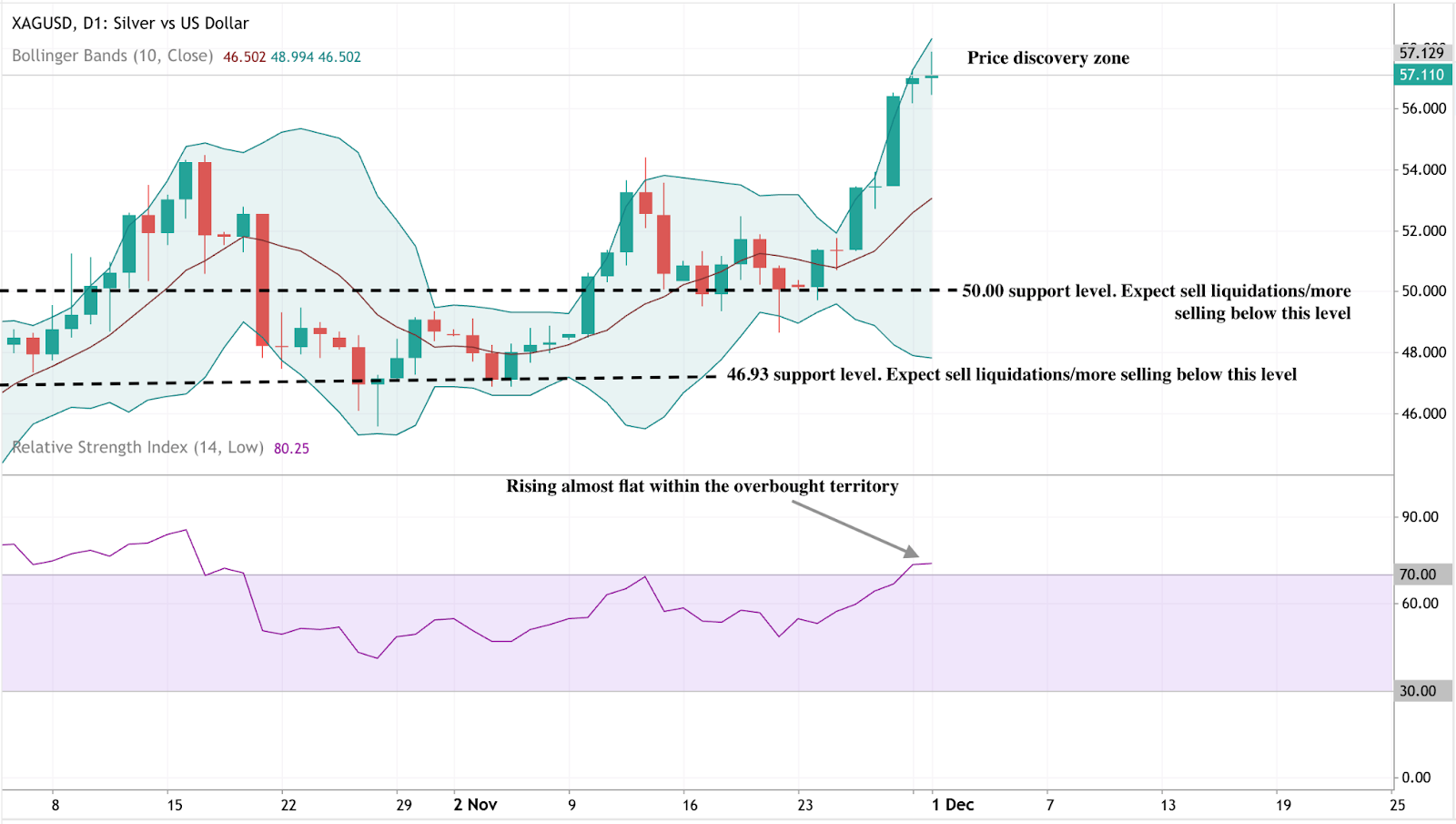
На момент написания Silver (XAG/USD) ворвался в зону ценового открытия, торгуясь выше $57 после резкого выхода из консолидации. Это движение сигнализирует о сильной бычьей уверенности, при этом импульс уносит цену далеко за пределы предыдущего диапазона. Ближайшие уровни поддержки теперь находятся на $50,00 и $46,93 — пробой этих уровней может спровоцировать ликвидацию длинных позиций и усилить коррекционное давление.
Цена остается выше верхней полосы Боллинджера, что отражает агрессивный покупательский интерес и ярко выраженный бычий тренд на рынке. Любое снижение к средней полосе, вероятно, станет первым тестом силы тренда.
RSI держится около 80, растет, но почти не меняется в глубокой зоне перекупленности. Это говорит о том, что покупатели по-прежнему контролируют ситуацию, однако риск краткосрочной коррекции или боковой консолидации возрастает. Хотя общий тренд явно восходящий, перекупленность означает, что трейдерам стоит следить за признаками истощения по мере того, как серебро осваивает новые максимумы.
Приведённые показатели доходности не гарантируют будущих результатов.


