
Dolar baskı altında: USD/JPY yükselir mi, EUR/USD dengelenirken?
.png)
Dolar, FX spektrumunun her iki tarafından da sıkıştırılıyor ve bu durum, yatırımcıları yıl sonuna özgü alışılmış dinamikleri yeniden değerlendirmeye zorluyor. USDJPY, Japonya Merkez Bankası'nın Aralık ayında faiz artırabileceğine dair artan beklentilere rağmen, 154.65 civarındaki iki haftalık dip seviyesinden toparlanmayı başardı – bu değişim, iki yıllık JGB getirilerini 2008'den bu yana ilk kez %1'e taşıdı.
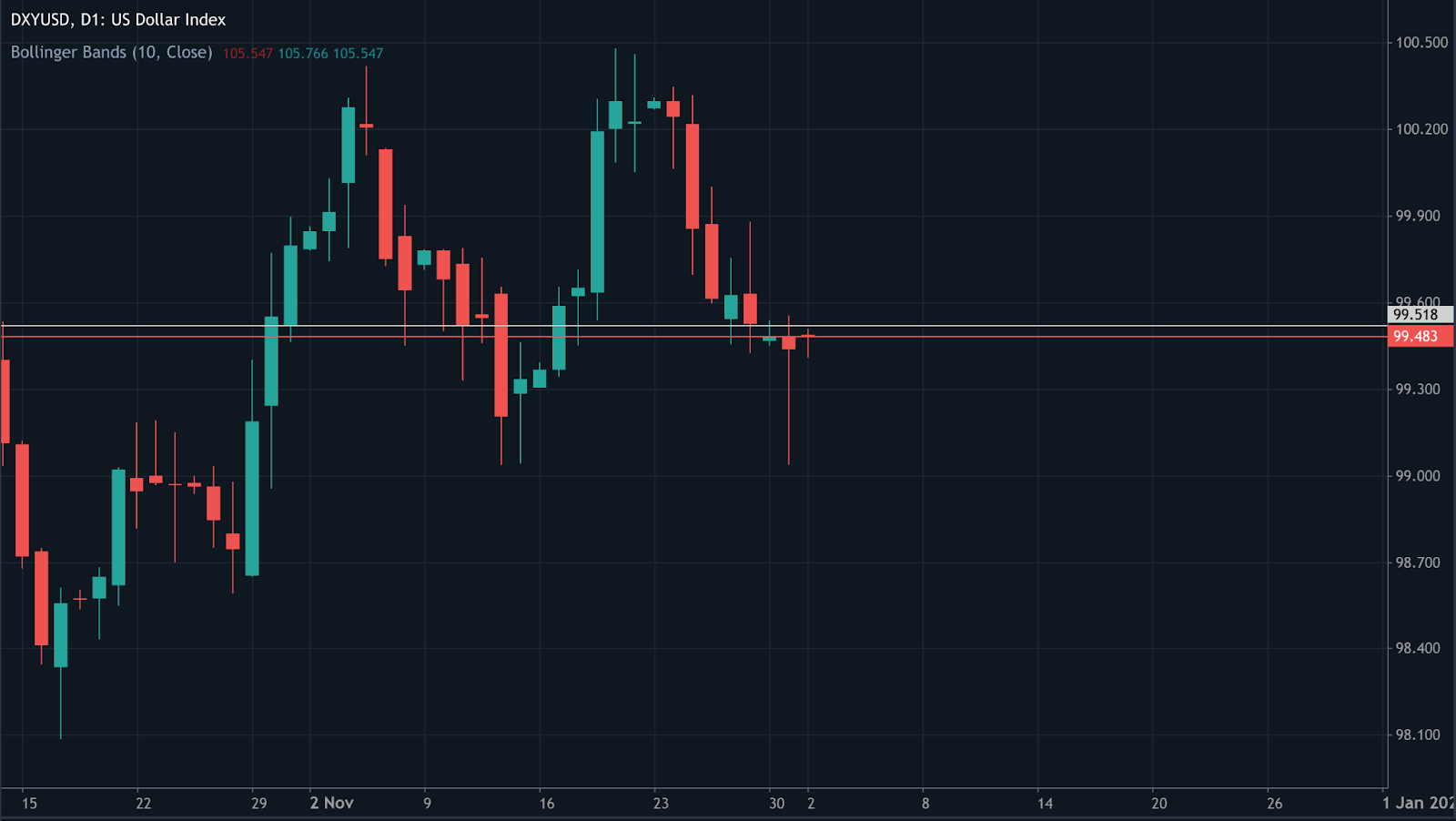
Bu arada EURUSD, şu anda istikrarını koruyor; dolar endeksi 99.48 civarında seyrediyor ve duyarlılığın değişmesi halinde 100.50'ye doğru bir hareket tehdidi oluşturuyor. Bu ayrışma – politika ivmesiyle desteklenen bir yen ve geniş dolar pozisyonlaması altında tutulan bir euro – yeşil parayı baskının merkezine yerleştiriyor.
Fed’in toplantısı yaklaşırken ve Japonya daha fazla normalleşme sinyali verirken, önümüzdeki birkaç seans, USDJPY'nin 155'in üzerinde kalıp kalamayacağını veya EURUSD'nin fiyat hareketinin yıl sonuna doğru baskın anlatı haline gelip gelmeyeceğini belirleyecek.
İki paritedeki hareketleri ne yönlendiriyor?
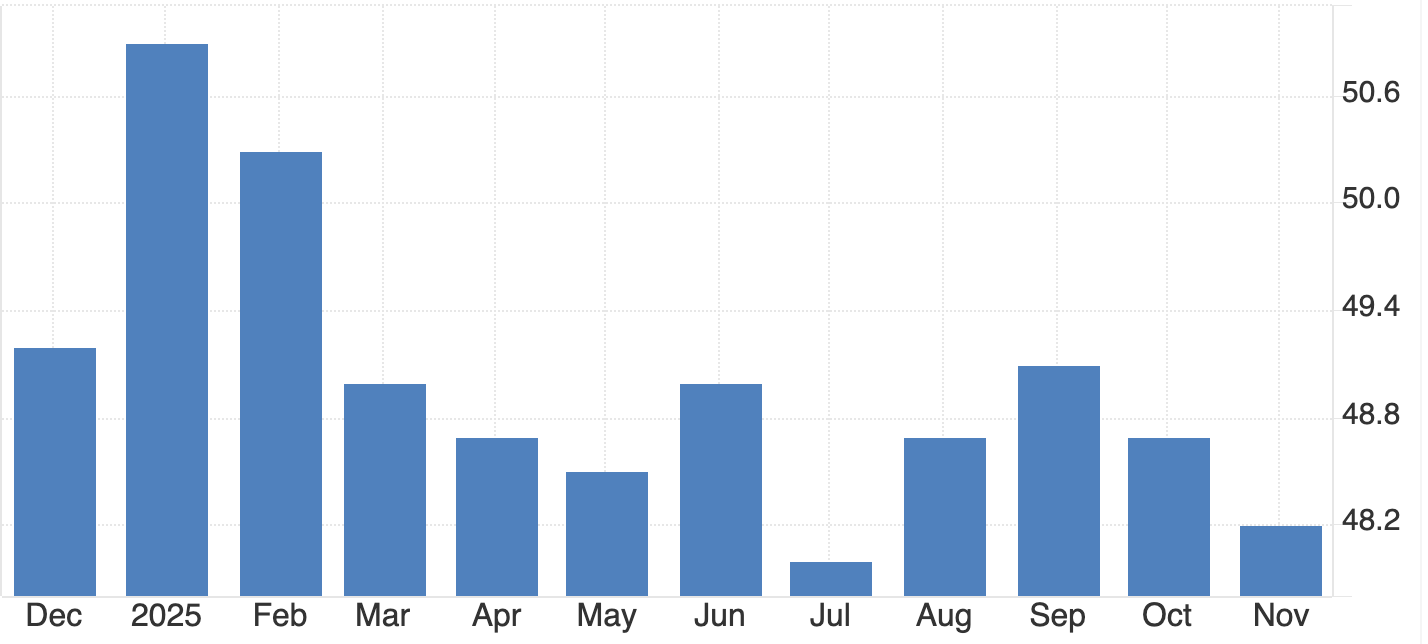
Dolar işlemleri iki rakip güç arasında sıkışmış durumda. Bir tarafta, zayıf ABD verileri Treasury getirilerini aşağı çekti; ISM Manufacturing PMI 48.2'ye geriledi ve Aralık için Fed faiz indirimi olasılığı %87.2 seviyesinde.
Bu, teorik olarak, USDJPY'yi aşağı çekmeli. Ancak Asya borsalarında risk iştahı güçlendi ve bu durum yenin güvenli liman talebini sınırlayarak daha şahin bir BoJ'un etkisini yumuşattı. Bu, Japonya'nın yıllardır en güçlü faiz artırımı sinyallerini vermesine rağmen USDJPY'nin 156'ya doğru toparlanmasını açıklıyor.
EURUSD, dolardaki baskıya rağmen 1.16'nın üzerinde tutunmayı başardı. Yatırımcılar, dolar endeksinin 99.40'ın üzerinde kalıp kalamayacağını izliyor; bu seviye, euroyu 1.1550 testine karşı daha savunmasız hale getirebilir.
Mevsimsel eğilimler normalde Aralık ayının başı ve sonunda euroyu desteklerdi, ancak politika ve getiri farkları yönü belirlerken mevsimsellik önemini yitiriyor.
Neden önemli?
Dolar sıkışması sadece döviz yatırımcılarını etkilemiyor. Çok uluslu şirketler, Aralık ayında yıl sonu risklerini hedge ediyor ve bu da keskin FX dalgalanmalarını özellikle bozucu hale getiriyor. USDJPY 156–158 civarında seyrederken ve EURUSD 1.1550'ye yaklaşırken, kurumsal hedge modelleri sıkılaşıyor ve genellikle gün içi oynaklığı artıran mekanik akışları tetikliyor. Tokyo merkezli bir stratejist bu hafta Bloomberg'e, “temeller ve akışlar en kötü anda çarpışıyor” diyerek, ince likiditenin her küçük hareketi nasıl büyüttüğünü vurguladı.
Yatırımcılar için riskler daha da yüksek. Bir BoJ faiz artırımı, onlarca yıllık ultra gevşek politikayı tersine çevirebilir ve USDJPY'yi sert şekilde aşağı çekebilir. Tersine, beklenenden daha yumuşak bir Fed tonu, doları genel olarak zayıflatabilir ve eurodaki toparlanmayı hızlandırabilir. Her iki sonuç da olası, bu yüzden piyasalar Fed ve BoJ kararları öncesinde her veri noktasına aşırı duyarlı hale geliyor.
Piyasalara ve yatırımcılara etkisi
Getiri dinamikleri, en net aktarım kanalı olmaya devam ediyor. Japonya'nın 10 yıllık devlet tahvili getirisi, 17 yılın en yüksek seviyesine tırmanarak ABD Treasury ile olan farkı önemli ölçüde daralttı.
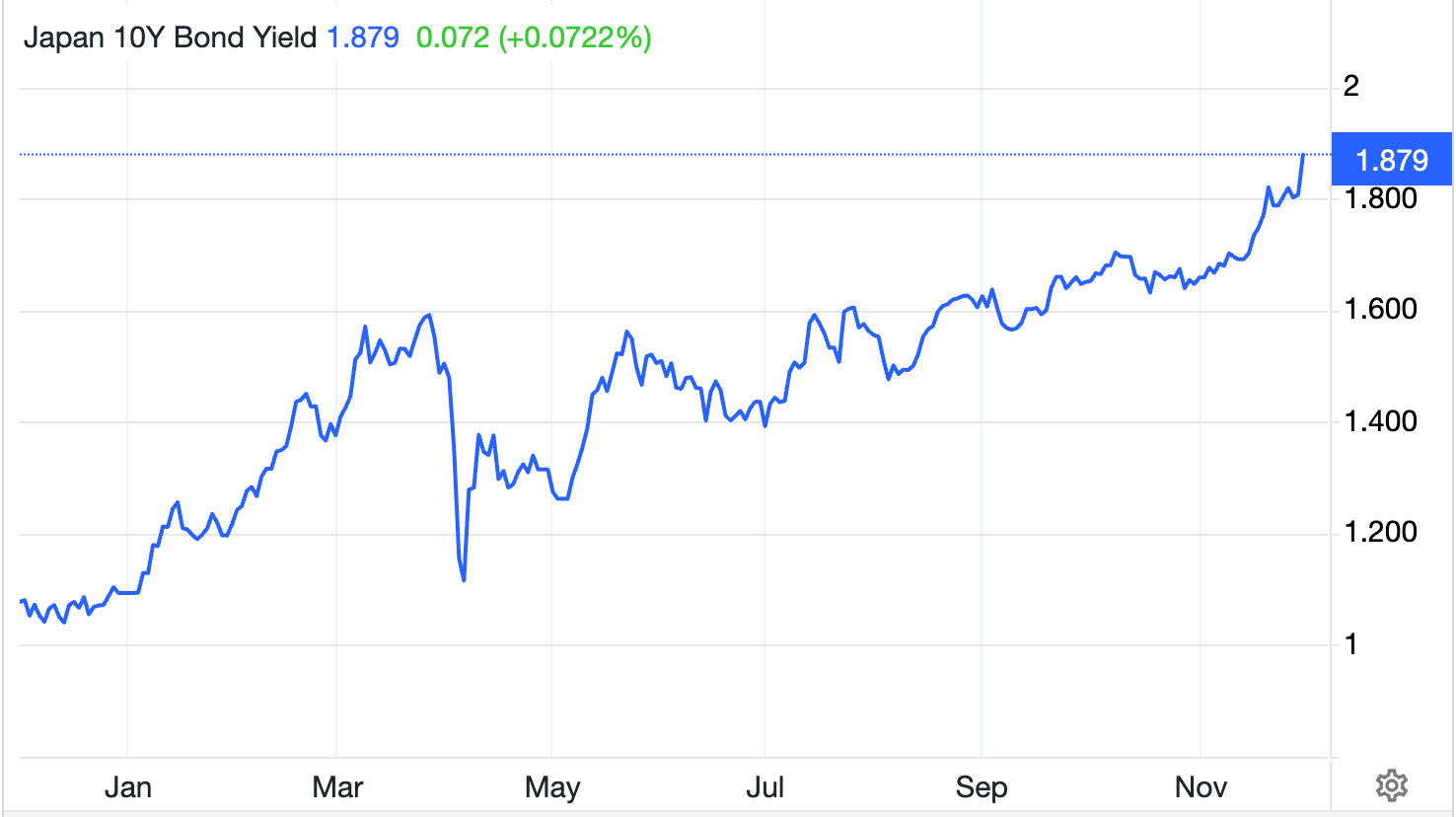
Analistlere göre bu, USDJPY için yapısal desteklerden birini azaltıyor ve bu da paritenin çeyreğin başında 158'in üzerine çıkmakta neden zorlandığını açıklıyor. Yatırımcılar artık 156 fiyat seviyesini, son toparlanmanın sönüp sönmeyeceğini veya devam edip etmeyeceğini belirleyecek bir pivot olarak görüyor.
EURUSD ise kendi yapısal kısıtlamalarıyla karşı karşıya. Almanya getirilerindeki toparlanma euroya destek olmalı; ancak parite, yurtiçi gelişmelerden ziyade dolar endeksindeki değişimleri daha yakından takip etmeye devam ediyor.
Analistlere göre, 1.16'nın altında net bir kırılma, 1.1550'ye doğru bir düşüş riskini artırıyor ve modeller, ince likidite koşullarında paritenin 1.1500'e yaklaşabileceği ani risklere karşı uyarıyor. 22–27 Aralık arasındaki tipik euro gücü momentumu dengeleyebilir, ancak büyük politika olayları mevsimsel akışlarla kesiştiğinde bu nadiren kalıcı olur.
Uzman görüşü
Analistler, dolar sıkışmasının nasıl çözüleceği konusunda bölünmüş durumda. Bazıları, BoJ enflasyon görünümüne güven sinyali verirse yıl sonuna doğru USDJPY'nin yumuşamasını bekliyor. Başkan Kazuo Ueda, enflasyonun %2 hedefine ulaşma olasılığının arttığını zaten belirtti ve yatırımcılar şu anda Aralık ayında faiz artırımı olasılığını yaklaşık %80 olarak fiyatlıyor. Bu büyüklükte bir hamle, USDJPY'yi hızla 152'ye, müdahale söylentileri artarsa belki de 150'ye çekebilir.
EURUSD'nin yolu ise neredeyse tamamen Fed'e bağlı. Aralık ayında bir faiz indirimi neredeyse tamamen fiyatlanmış durumda ve bu da doları şahin bir sürprize karşı savunmasız bırakıyor. Fed, bir dizi indirim taahhüdünden kaçınırsa, dolar toparlanabilir ve EURUSD'yi satıcılar geri dönmeden önce 1.1650'ye itebilir. Anahtar nokta, toplantı öncesi PCE verilerinin beklentileri tekrar değiştirip değiştirmeyeceği – ya da Fed’in şimdilik piyasaların önünde gitmesine izin verip vermeyeceği.
USDJPY teknik analiz
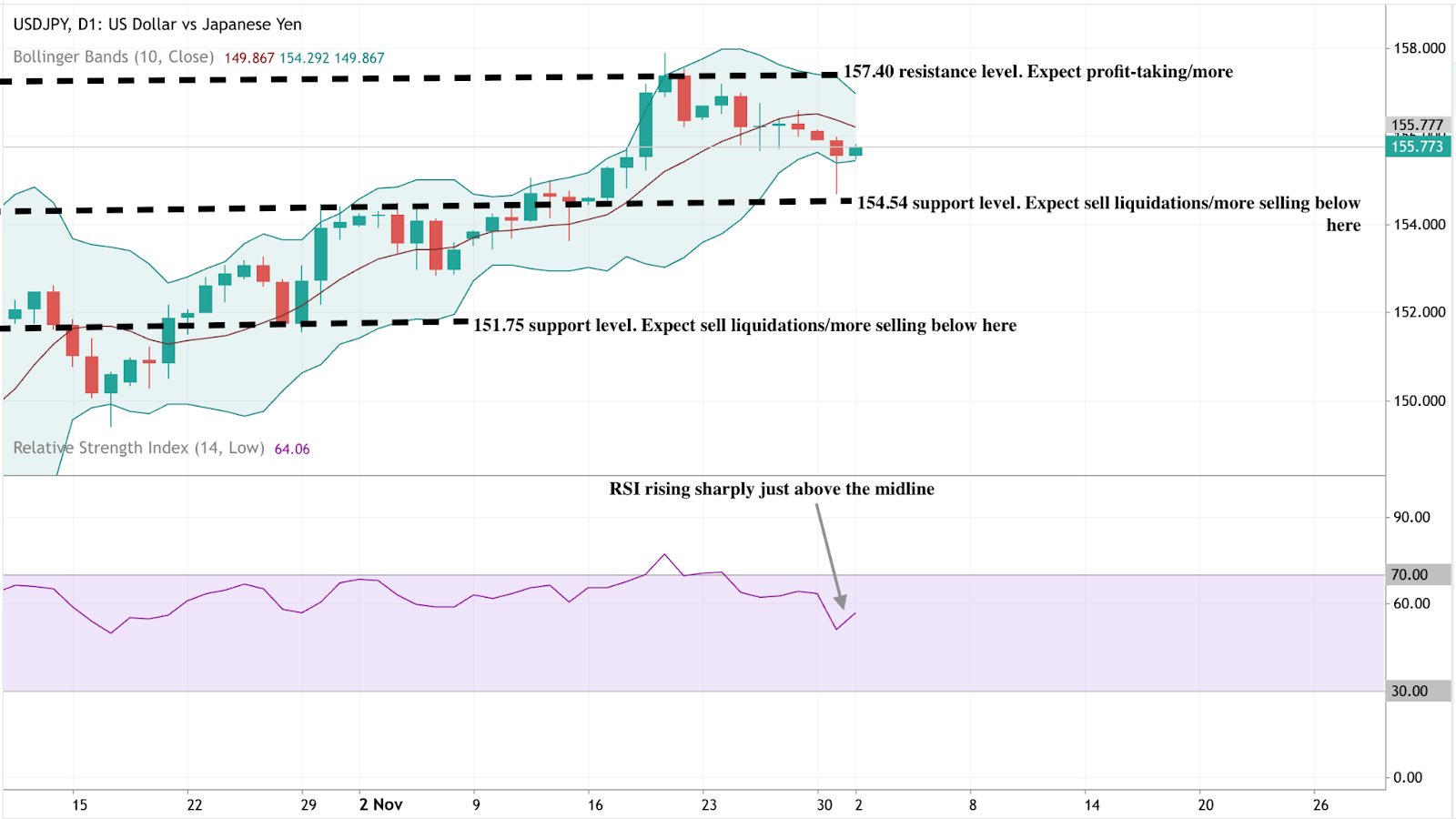
Yazının başında, USD/JPY yaklaşık 155.77 seviyesinde işlem görüyor ve son geri çekilmenin ardından istikrar kazanmaya çalışıyor. Parite, 157.40 direnç seviyesiyle sınırlı kalmaya devam ediyor – genellikle kâr realizasyonunun ortaya çıktığı kilit bir bölge, ancak bunun üzerinde bir kırılma, yükseliş ivmesini yeniden ateşleyebilir. İzlenmesi gereken en yakın aşağı yönlü seviyeler 154.54 ve 151.75; bunlardan birinin altına inilmesi, trend gücünde zayıflama sinyali verir ve fiyat alt Bollinger yapısının altına sarkarken satış tasfiyelerini tetikleyebilir.
Geri çekilmeye rağmen, USD/JPY Bollinger Bantlarının üst yarısında işlem görmeye devam ediyor ve bu da genel yükseliş trendinin şimdilik korunduğunu gösteriyor. Parite, ABD getirileri veya Japonya Merkez Bankası açıklamaları gibi yeni bir makroekonomik tetikleyici olmadıkça konsolide olmaya devam edebilir.
RSI 64'e keskin şekilde sıçradı ve kısa süreli bir düşüşün ardından orta çizginin hemen üzerine çıktı. Bu değişim, yükseliş ivmesinde bir iyileşmeye işaret ediyor, ancak henüz aşırı alım seviyelerine ulaşmadı. Gösterge şu anda istikrarlı bir trend fikrini destekliyor ve alıcılar kontrolü yeniden ele alırsa yukarı yön için alan olduğunu gösteriyor.
EURUSD teknik analiz
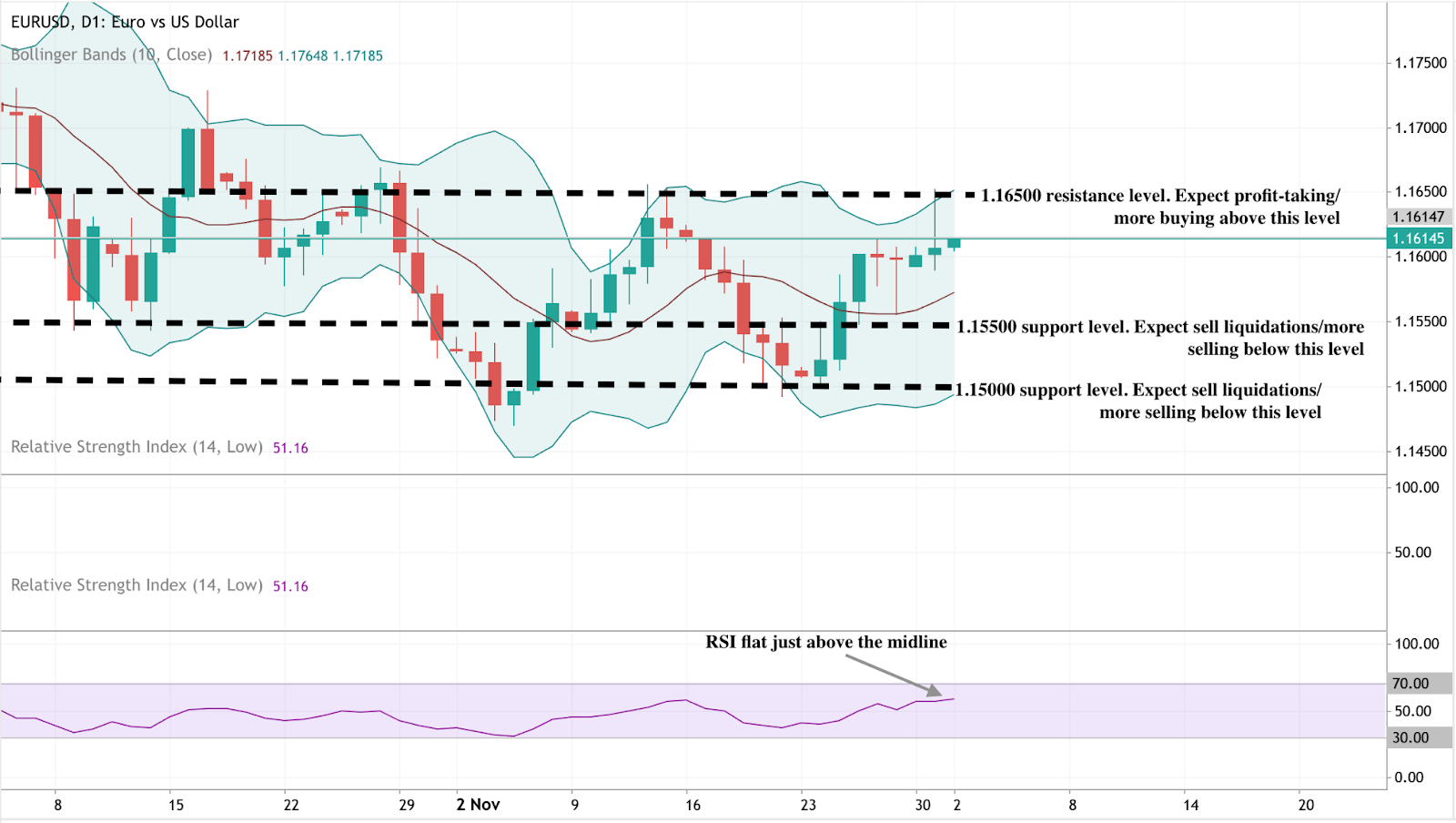
Yazının başında, EUR/USD yaklaşık 1.1614 seviyesinde işlem görüyor ve kademeli olarak 1.1650'deki kilit direnç bölgesine doğru ilerliyor. Bu seviye, yukarı yönlü hareketleri defalarca sınırladı ve yatırımcıların kâr realizasyonu bekleyebileceği veya ivme devam ederse olası bir yükseliş kırılması görebileceği bir alan haline geldi. Aşağıda, en yakın destekler 1.1550 ve 1.1500'de bulunuyor; bunlardan birinin altına inilmesi muhtemelen satış tasfiyelerini tetikleyecek ve düşüş baskısını artıracaktır.
Fiyat, Bollinger Bandı aralığının üst yarısında kalmaya devam ediyor ve bu da mütevazı bir yükseliş eğilimine işaret ediyor, ancak henüz belirleyici bir trend değişimi yok. Parite, geniş bir konsolidasyon yapısı içinde dalgalanmaya devam ediyor ve bu da sürdürülebilir bir kırılma için ABD verileri veya ECB açıklamaları gibi makro katalizörlere ihtiyaç olabileceğini gösteriyor.
RSI, 51'in hemen üzerinde yatay seyrediyor ve nötrden hafif yükselişe bir ivme gösteriyor. Bu konumlanma, istikrarlı ancak temkinli bir alım ilgisi fikrini güçlendiriyor ve EUR/USD direncin üzerinde net bir şekilde kırabilirse daha fazla yukarı yön için alan olduğunu gösteriyor.
Öne çıkan sonuç
Dolar, USDJPY'nin BoJ sıkılaşma beklentileriyle ve EURUSD'nin geniş tabanlı dolar pozisyonlamasını absorbe etmesiyle FX spektrumunun iki ucundan da sıkıştırılıyor. Getiri değişimleri ve yaklaşan merkez bankası kararları, yıl sonuna kadar hangi anlatının baskın olacağını belirleyecek. Yatırımcılar, ince likiditenin büyük politika riskleriyle buluştuğu ortamda oynaklık beklemeli. USDJPY ve EURUSD'deki bir sonraki hareketler, muhtemelen 2026'nın başındaki tabloyu da şekillendirecek.
Belirtilen performans rakamları, gelecekteki performans için bir garanti değildir.


