
Sam Altman හදිසි අනතුරු ඇඟවීමක් නිකුත් කරයි
%2520(1)%2520(1).png)
OpenAI විසින් එහි ඉහළම අභ්යන්තර අනතුරු ඇඟවීම ක්රියාත්මක කර ඇත. The Wall Street Journal සඳුදා වාර්තා කළේ, Sam Altman සමාගම පුරා “Code Red” memo එකක් යැවූ බවයි - එය OpenAI ඉතිහාසයේ පළමු පූර්ණ රතු අනතුරු ඇඟවීමයි - සහ ChatGPT නාටකාකාර ලෙස යහපත් නොකරන සෑම දෙයක්ම මේ මොහොතේම නවත්වන ලෙස සැමට පැවසීය. OpenAI හට තම පෙරමුණ ගිලිහී යන බව දැනෙන බවට මෙය මෙතෙක් ලැබුණු පැහැදිලිම සංඥාවයි.
වාර්තා වලට අනුව, 2025 අපේක්ෂිත පාඩු ඩොලර් බිලියන 9 ක් වන අතර එය ඩොලර් බිලියන 13 ක ආදායම යටපත් කරයි, OpenAI හි AI අධිරාජ්යය අස්ථාවර වී ඇති බව පෙනේ.
අන්තර්ජාලය කැලඹූ memo එක
Altman ඔහුගේ සඳුදා පණිවිඩයේ වචන සැඟවූයේ නැත: OpenAI සිටින්නේ "red" මාදිලියේය, එය සති කිහිපයකට පෙර තිබූ මෘදු "orange" අනතුරු ඇඟවීමේ සිට ඉහළ නැංවීමකි.
- වේගවත්, වඩා බුද්ධිමත් ප්රතිචාර: ඉක්මන් load times, අඩු hallucinations, සහ ඔබේ දුරකථනය විසිකිරීමට සිතෙන්නේ නැති ආකාරයේ විශ්වසනීයත්වයක්.
- ගැඹුරු පුද්ගලීකරණය: ප්රධානී Nick Turley ට අනුව ChatGPT "බුද්ධිමය සහ පුද්ගලික බවක් දැනිය යුතුය" - සාමාන්ය bot කෙනෙකුට වඩා අඩුවෙන් සිතන්න, වඩාත් නිවැරදි මනස කියවන්නෙකු ලෙස.
- පුළුල් බුද්ධි බලය: "I'm sorry, Dave" වැනි මගහැරීම් නොමැතිව අමුතු විමසීම් හැසිරවීම, සහ සමස්තයක් ලෙස වඩා හොඳ තර්කනයක්.
එය සිදු කිරීමට? Altman ට අනුව, product, research, සහ engineering ප්රධානීන් සමඟ දෛනික war-room ඇමතුම් හරහා. කණ්ඩායම් මාරුවීම් දිරිමත් කෙරේ. කිසිදු පූජනීය එළදෙනක් (sacred cows) නැත - කැස්ස පටන් ගෙන ඇති cash cow හැර. මෙය ඔක්තෝම්බර් මාසයේ "orange" අනතුරු ඇඟවීමක් අනුගමනය කරයි, නමුත් රතු යනු බරපතල වැඩයි: පරිශීලකයින් ගිලිහී යාම වැළැක්වීම සඳහා පූර්ණ සම්පත් නැවත වෙන් කිරීම.
‘Code Red’ ඇත්ත වශයෙන්ම වෙනස් කරන්නේ මොනවාද?
Altman ගේ කාන්දු වූ memo එක හෙළි කරන්නේ, Google හි Gemini 3 සැලකිය යුතු පහරක් එල්ල කිරීමෙන් පසුව, ChatGPT හි වේගය සහ විශ්වසනීයත්වය පිළිබඳ ගැටළු විසඳීමට OpenAI වෙහෙසෙන බවයි.
| මිනුම | අංකය | සන්දර්භය |
|---|---|---|
| 2025 අපේක්ෂිත ආදායම | ඩොලර් බිලියන 13 | 2024 දී ~$4B සිට ඉහළට, නමුත් තවමත් breakeven වෙතින් දුරස්ය |
| 2025 අපේක්ෂිත පාඩුව | ~ඩොලර් බිලියන 9 | මුදල් දහනය (Cash burn) දැන් ආදායමෙන් ≈70% |
| 2025–2030 සඳහා අවශ්ය ඇස්තමේන්තුගත අරමුදල් | ඩොලර් බිලියන 207 (HSBC ඇස්තමේන්තුව) | ආදායම සෑම ඉලක්කයක්ම සපුරා ගත්තද |
| ChatGPT සතිපතා සක්රීය පරිශීලකයින් | මිලියන 800+ | වර්ධනය පැහැදිලිවම මන්දගාමී වී ඇත |
මූලාශ්රය: Forbes, HSBC, Techcrunch
Anthropic හි Claude 4 (ව්යාපාර සඳහා ගුණාත්මක භාවයෙන් පෙරමුණ ගෙන සිටින enterprise darling) සහ Meta හි නිදහස් Llama මාදිලි එකතු කළ විට, OpenAI හි 70% වෙළඳපල කොටස ආචාරශීලී ප්රබන්ධයක් ලෙස දැනේ. Salesforce හි Marc Benioff පවා පැය දෙකක පරීක්ෂණයකින් පසු ChatGPT අතහැර Gemini වෙත මාරු විය: "පිම්ම පිස්සු හැදෙන සුළුයි."
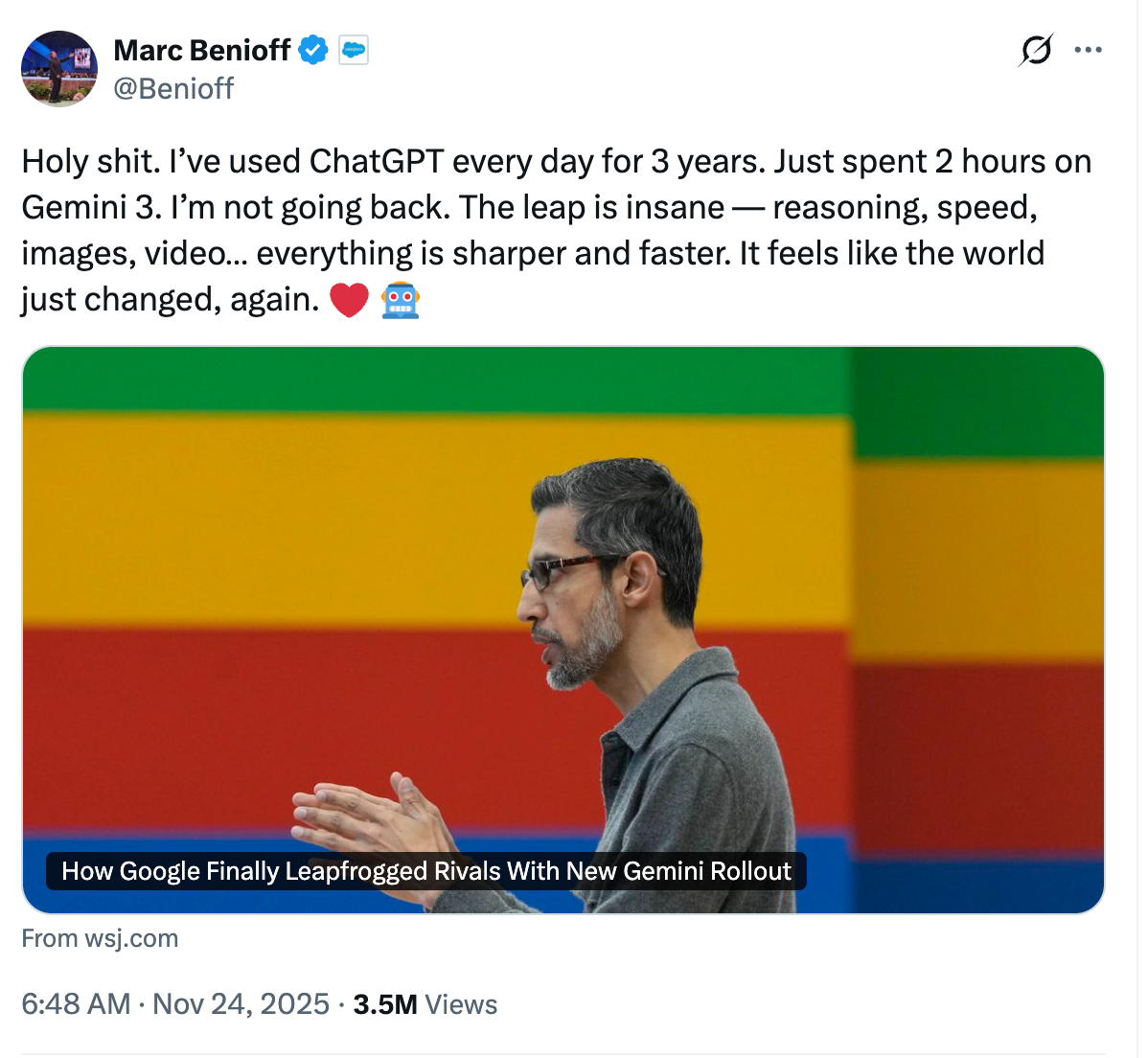
බලාපොරොත්තුවේ රිදී රේඛාවක්? නව මාදිලියක් ළඟදීම නිකුත් වේ
OpenAI ලබන සතියේ "නවතම reasoning model එකක්" ("o3-pro" හෝ "Orion" පිළිබඳ කසුකුසු) නිකුත් කරන බව වැඩිදුර වාර්තා හෙළි කළේය. එය පැමිණියහොත්, පරිශීලක පිටවීමේ ආපසු හැරීමක් බලාපොරොත්තු වන්න, එමඟින් reasoning, coding, සහ ගණිතයෙහි benchmark ඔටුනු නැවත ලබා ගත හැකිය.
VP සහ ChatGPT යෙදුමේ ප්රධානී Nick Turley එය X හි සාරාංශ කළේය: "අපගේ අවධානය දැන් යොමු වී ඇත්තේ ChatGPT වඩාත් හැකියාවන්ගෙන් යුක්ත කිරීම දිගටම කරගෙන යාමටයි... ඒ අතරම එය වඩාත් බුද්ධිමය සහ පුද්ගලික බවක් දැනීමට සැලැස්වීමයි." OpenAI memo එක ගැන නිහඬයි, නමුත් ක්රියාවන් ඊට වඩා හයියෙන් කෑගසයි. 2030 වන විට ගෙවන පරිශීලකයින් මිලියන 220 ක් අපේක්ෂා කරන බැවින්, අවදානම අහස උසට ඇති බව ඔහු වැඩිදුරටත් පැවසීය.
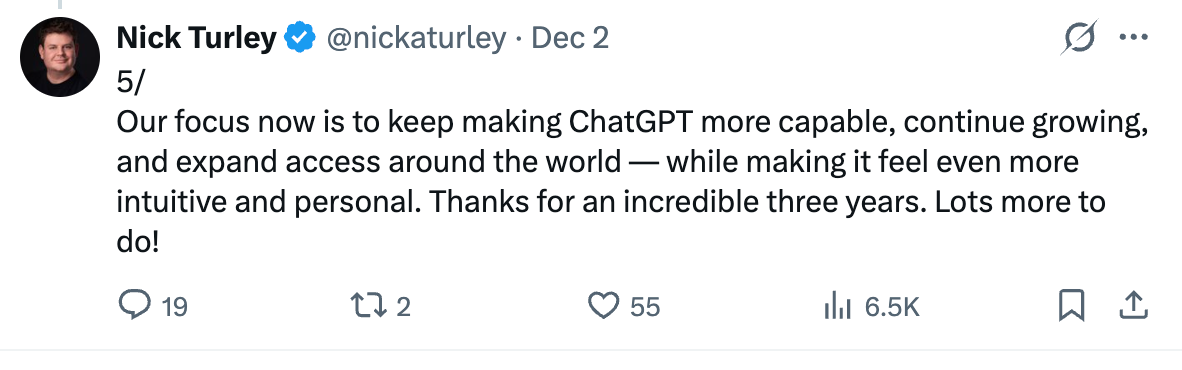
විශ්ලේෂකයින් පවසන්නේ මෙම කලබලය අවධානය වෙනතකට යොමු වූ යෝධයෙකු නැවත අවධානය යොමු කරවීමට හෝ පැලැස්තර දැමීමට නොහැකි තරම් පුළුල් ඉරිතැලීම් නිරාවරණය කිරීමට ඉඩ ඇති බවයි. AI ආයුධ තරඟයේදී, අද නායකයා හෙට අනතුරු ඇඟවීමේ කතාවක් බව වෙළඳපල නිරීක්ෂකයින් ප්රකාශ කළහ.
මෙය වැදගත් වන්නේ ඇයි
OpenAI හි Code Red යනු හුදෙක් අභ්යන්තර ගිනි නිවීමේ අභ්යාසයක් නොවන බව විශේෂඥයින් ප්රකාශ කළහ - එය කර්මාන්තයක් තීරණාත්මක හැරවුම් ලක්ෂයකට ළඟා වන බවට ලකුණකි. OpenAI වසරක පමණ පෙරමුණක් භුක්ති වින්ද නමුත් Gemini 3 හි නැගීම, Anthropic හි ව්යවසාය ආධිපත්යය සහ Meta හි වේගවත් open-source දියුණුව භයානක වේගයකින් පරතරය අඩු කර ඇත. ලොව වටිනාම AI සමාගම ප්රසිද්ධියේ කලබල වන විට, එය මුළු ක්ෂේත්රය පුරාම ගැඹුරු තරඟකාරී සහ මූල්ය පීඩනයක් සංඥා කරයි.
බොහෝ දෙනෙකුට, මෙම memo එක model hype සිට product performance දක්වා සංක්රමණයක් ද පිළිබිඹු කරයි. මෙයින් අදහස් කරන්නේ පරිශීලකයින් benchmarks වලදී "වඩාත්ම බුද්ධිමත්" මාදිලිය කුමක්ද යන්න ගැන අඩුවෙන් සැලකිලිමත් වන අතර latency, reliability, පිරිවැය සහ පුද්ගලීකරණය ගැන වැඩි සැලකිල්ලක් දක්වන බවයි - ChatGPT මෑතකදී පසුපසට වැටී ඇති අංශයන්ය. OpenAI හට ඉක්මනින් විශ්වාසය නැවත ලබා ගත නොහැකි නම්, ආයතනික දරුකමට හදා ගැනීම (corporate adoption), ආයෝජක විශ්වාසය සහ පරිශීලක පක්ෂපාතීත්වය මාස කිහිපයක් ඇතුළත වෙනත් තැනකට මාරු විය හැකි බව ද එකතු කරන ලදී.
ප්රධාන නිගමනය
විශේෂඥයින්ට අනුව, OpenAI හි Code Red සලකුණු කරන්නේ ChatGPT දියත් කිරීමෙන් පසු සමාගමේ බරපතලම හැරීමයි - ප්රතිවාදීන් වේගවත් වන විට මූලික කරුණු වෙත බලහත්කාරයෙන් ආපසු යාමකි. නව reasoning model එකකට පරිශීලක සංඛ්යා ස්ථාවර කිරීමට සහ OpenAI හි නායකත්වය නැවත ලබා දීමට හැකි වේද, නැතහොත් Gemini, Claude, සහ Llama තරඟකාරී භූ දර්ශනය ස්ථිරවම ප්රතිනිර්මාණය කරයිද යන්න ඉදිරි සති කිහිපය තුළ තීරණය වනු ඇත. AI තරඟය තවදුරටත් මුලින්ම දියත් කළේ කවුරුන්ද යන්න ගැන නොවේ - එය වේගයෙන්ම අනුවර්තනය වන්නේ කවුරුන්ද යන්න ගැනයි.
උපුටා දක්වා ඇති කාර්ය සාධන සංඛ්යා අනාගත කාර්ය සාධනය පිළිබඳ සහතිකයක් නොවේ.


