
ජනවාරි FOMC: වෙළඳපොළ ඉදිරිය දෙස බලන විට Fed නිශ්චලව සිටිනු ඇතැයි අපේක්ෂා කරන්නේ ඇයි?

විශ්ලේෂකයින් පවසන පරිදි, Federal Reserve අද නිශ්චලව සිටිනු ඇතැයි අපේක්ෂා කෙරේ, මන්ද එයට චලනය වීමට හැකියාවක් නොමැති බැවිනි. උද්ධමනය 3% ආසන්නයේ සිරවී තිබීම, විරැකියාව ඉහළ යාම සහ ආර්ථික වර්ධනය අපේක්ෂා කළාට වඩා බෙහෙවින් වේගවත් වීමත් සමඟ, ජනවාරි FOMC රැස්වීම විශ්වාසයට වඩා ප්රවේශම් සහගත බව පිළිබිඹු කරන අනුපාත රඳවා තබා ගැනීමක් ලබා දීමට නියමිතය. වෙළඳපොළවල් ප්රතිපත්තිමය ක්රියාමාර්ගයක් අපේක්ෂා නොකරන නමුත්, ඊළඟ පියවර කොතැනින් පැමිණිය හැකිද යන්න පිළිබඳව සභාපති Jerome Powell පවසන දේ ඔවුන් සමීපව නිරීක්ෂණය කරයි.
Futures වෙළඳපොළවල් පොලී අනුපාත නොවෙනස්ව පවතිනු ඇති බවට දළ වශයෙන් 97% ක සම්භාවිතාවක් මිල කරමින් සිටින අතර, අවධානය 2026 දෙවන භාගය දෙසට යොමු කරයි.

GDP වර්ධනය වාර්ෂිකව 5.4% ක් ලෙස සටහන් වීම සහ Fed මත දේශපාලන පීඩනය තීව්ර වීමත් සමඟ, අද රැස්වීම පොලී අනුපාත ගැන අඩුවෙන් සහ විශ්වසනීයත්වය, ස්වාධීනත්වය සහ කාල නිර්ණය ගැන වැඩි වශයෙන් අවධානය යොමු කරයි.
ජනවාරි FOMC තීරණය මෙහෙයවන්නේ කුමක්ද?
අද දින අනුපාත රඳවා තබා ගැනීමට Fed ගත් තීරණය අසාමාන්ය ආර්ථික බෙදීමක් මත පදනම් වී ඇත. එක්සත් ජනපද ආර්ථිකය වේගයෙන් වර්ධනය වෙමින් පවතී, එහෙත් ශ්රම වෙළඳපොළ අධික ලෙස රත් වීමට වඩා සිසිල් වෙමින් පවතී. විරැකියාව 4.4% දක්වා ඉහළ ගොස් ඇති අතර, අංශ කිහිපයක් හරහා බඳවා ගැනීම් මන්දගාමී වී ඇති අතර, එය ශක්තිමත් වර්ධනය සහ රැකියා උත්පාදනය අතර සාම්ප්රදායික සම්බන්ධතාවයට අභියෝග කරයි.
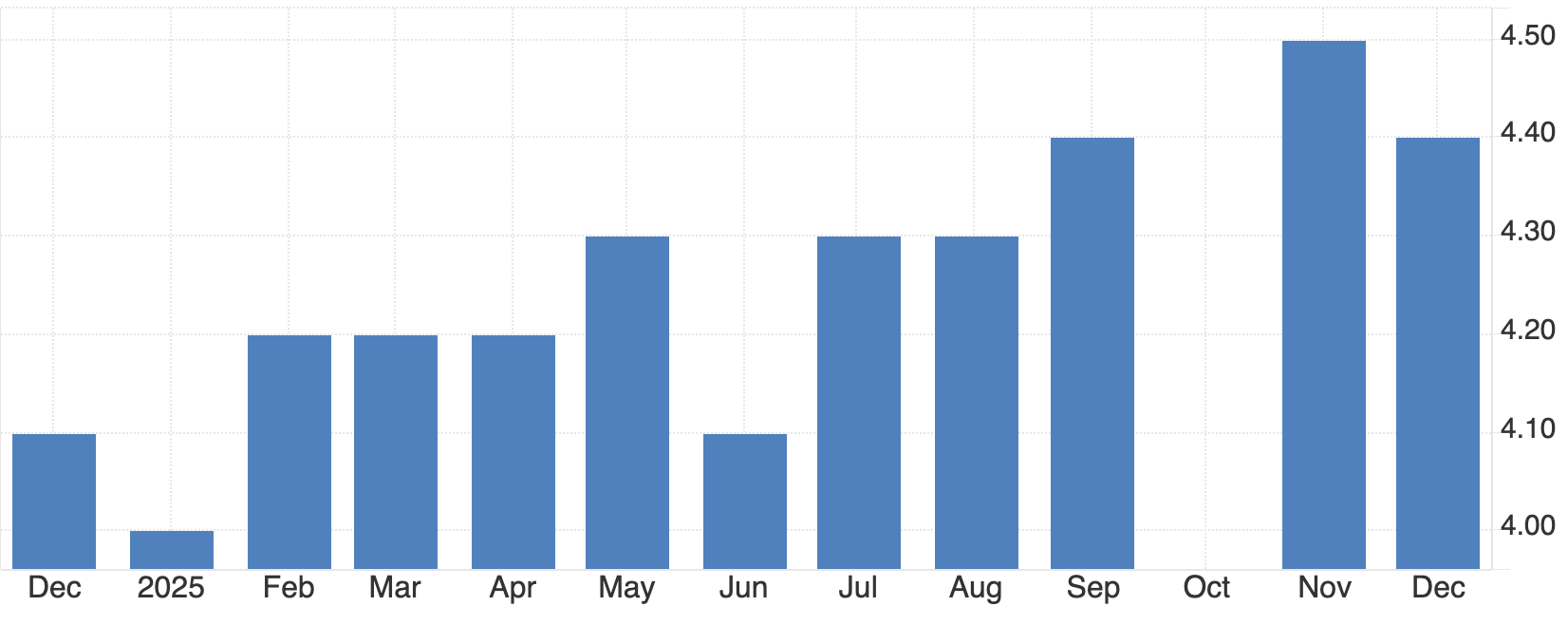
එමෙන්ම, උද්ධමනය අපහසුතාවයට පත්වන තරම් ඉහළ මට්ටමක පවතී. පාරිභෝගික මිල ගණන් 2.7–3.0% දක්වා නැවත ඉහළ ගොස් ඇති අතර, එය Fed හි 2% ඉලක්කයට වඩා බෙහෙවින් ඉහළ ය. Yale Budget Lab ඇස්තමේන්තු වලට අනුව, ඵලදායී එක්සත් ජනපද තීරුබදු අනුපාතය 17% කට ආසන්න මට්ටමකට තල්ලු කර ඇති තීරුබදු මේ සඳහා ප්රධාන දායකත්වයක් ලබා දී ඇත. මසකට ඩොලර් බිලියන 30 කට ආසන්න එම ඉහළ ආනයන පිරිවැය, Walmart සහ Amazon වැනි විශාල සමාගම් බලපෑමෙන් කොටසක් අවශෝෂණය කර ගැනීමට උත්සාහ කළද, සිල්ලර මිල ගණන් වෙත බලපාමින් පවතී.
මෙම සංයෝජනය Fed කොටු කර ඇත. අනුපාත කප්පාදු කිරීම මගින් මිල පීඩනය ස්ථාවර වන විටම උද්ධමනය නැවත ඇතිවීමේ අවදානමක් පවතී. කෙසේ වෙතත්, අනුපාත රඳවා තබා ගැනීම ශ්රම වෙළඳපොළ තවදුරටත් දුර්වල වීමේ අවදානමක් ඇති කරයි. අද තීරණය මගින් පිළිබිඹු වන්නේ වර්ධන ගැටළු වලට වඩා උද්ධමන අවදානම් තවමත් බරපතල බවට Fed හි විනිශ්චයයි.
එය වැදගත් වන්නේ ඇයි
ප්රතිපත්ති සම්පාදකයින් සඳහා, අද රැස්වීම මාර්ගය කෙතරම් පටු වී ඇත්ද යන්න තහවුරු කරයි. ස්ථාවර මිල ගණන් සහ උපරිම රැකියා නියුක්තිය පිළිබඳ Fed හි ද්විත්ව විධානය ප්රතිවිරුද්ධ දිශාවලට ඇදෙමින් පවතින අතර, විරැකියාව ඉහළ යන විට පවා උද්ධමනය පාලනය කිරීමට ප්රමුඛත්වය දීමට නිලධාරීන්ට බල කෙරෙයි. අනාගත කප්පාදු කිරීම් කාල නිර්ණය කිරීම පිළිබඳව අද ප්රකාශය මගින් කුඩා මග පෙන්වීමක් ලබා දෙනු ඇතැයි අපේක්ෂා කරන්නේ එම ආතතිය හේතුවෙනි.
Bank of America අපේක්ෂා කරන්නේ Powell ප්රතිපත්ති වෙනස් කිරීම් සංඥා කිරීමට වඩා ඉවසීම සහ දත්ත මත යැපීම අවධාරණය කරනු ඇති බවයි. වර්තමාන වර්ධනයේ ශක්තිය ඉහළ මධ්යස්ථ පොලී අනුපාතයක් අඟවන්නේද යන්න කෙරෙහි අවධානය යොමු වීමට ඉඩ ඇත, එය අනුපාත දිගු කාලයක් සීමාකාරීව තබා ගැනීම සාධාරණීකරණය කරන මතයකි. ධවල මන්දිරයෙන් එල්ල වන පීඩනය මධ්යයේ ප්රතික්රියාශීලී ලෙස පෙනී සිටීම වැළැක්වීමට Fed උත්සාහ කරන බැවින්, දේශපාලන සන්දර්භය ද සුපුරුදු පරිදි විශාල ලෙස බලපෑ හැකිය.
වෙළඳපොළ, ණය ගැනුම්කරුවන් සහ FX මත බලපෑම
ගෘහස්ථ සහ ව්යාපාර සඳහා, Fed විරාමයක් යනු සීමිත කෙටි කාලීන සහනයකි. මහ බැංකුව උකස් හෝ ණය අනුපාත සෘජුවම නියම නොකරන අතර, එහි ස්ථාවරය බොහෝ ණය පිරිවැය සඳහා පදනම වන Treasury yields කෙරෙහි බලපායි. ප්රතිපත්ති අනුපාත නොවෙනස්ව පවතින බැවින්, උකස්, ක්රෙඩිට් කාඩ්පත් සහ ව්යාපාරික ණය සඳහා ණය ගැනීමේ පිරිවැය ඉහළ මට්ටමක පවතිනු ඇතැයි අපේක්ෂා කෙරේ.
මූල්ය වෙළඳපොළ තුළ, අවධානය දැනටමත් අද රැස්වීමෙන් ඔබ්බට යොමු වී ඇත. US dollar දුර්වල වී ඇති අතර, වෙළඳුන් අවසාන ලිහිල් කිරීම් මිල කිරීම සහ සමහර විශ්ලේෂකයින් එක්සත් ජනපද වත්කම් සඳහා "පාලන වට්ටමක්" (governance discount) ලෙස විස්තර කරන දේ යෙදීමත් සමඟ ඩොලර් දර්ශකය 97 මට්ටම දෙසට ලිස්සා ගොස් ඇත.
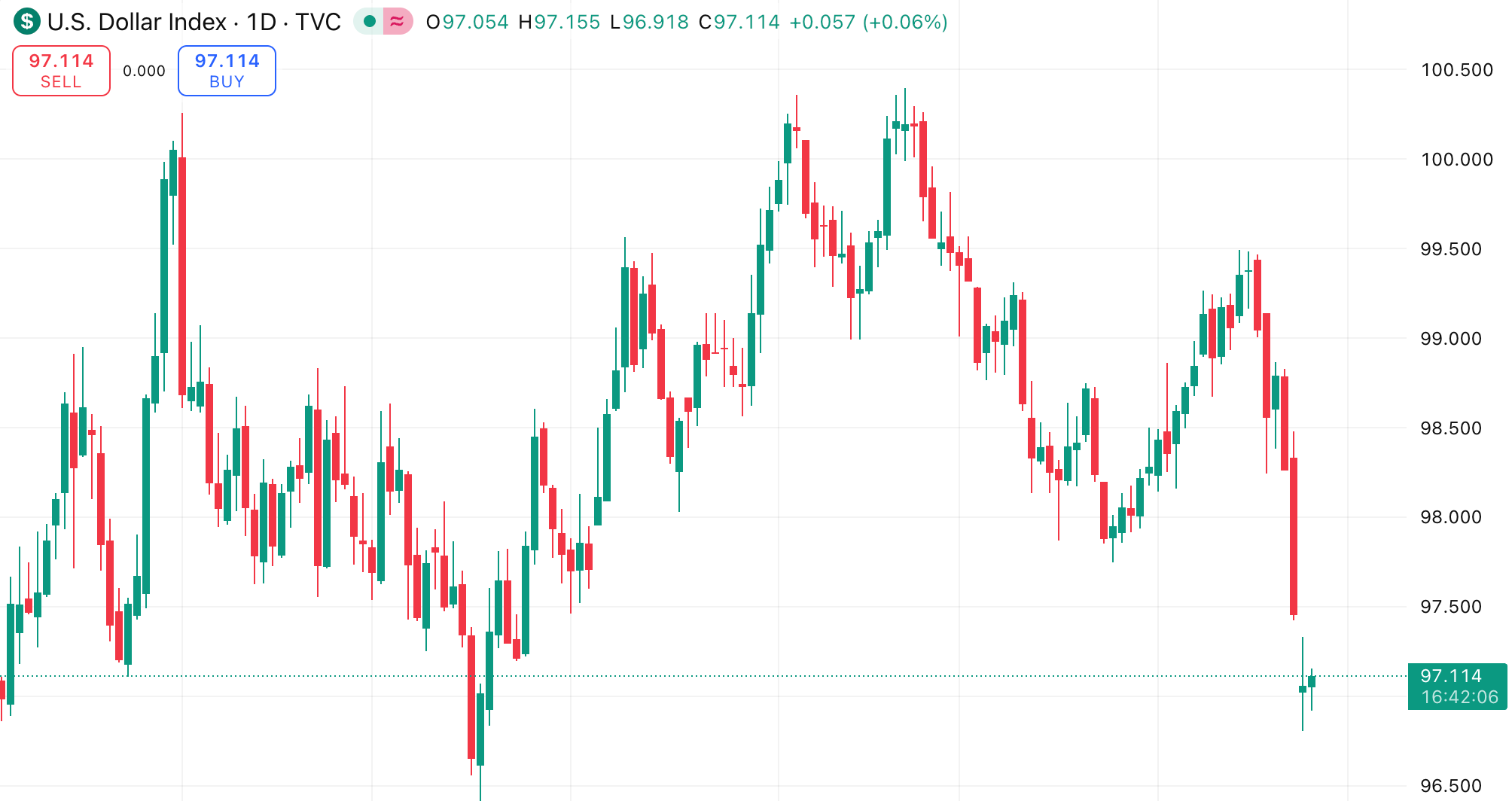
ගෝලීය මෘදු ගොඩබෑමක් (soft landing) පිළිබඳ අපේක්ෂාවන් මගින් සහාය ලබන Euro $1.19 දෙසට ඉහළ ගොස් ඇති අතර, sterling $1.37 ආසන්නයට ඉහළ ගොස් ඇත. ඩොලර් 5,100 ට ඉහළින් රත්රන් රැලි කිරීම ද එවැනිම කතාවක් කියයි. අවිනිශ්චිත කාලවලදී ඩොලරය වෙත එක්රොක් වෙනවා වෙනුවට, දේශපාලන ඝර්ෂණය එක්සත් ජනපද මූල්ය ප්රතිපත්තිය පිළිබඳ විශ්වාසය බොඳ කරන බැවින් ආයෝජකයින් දෘඩ වත්කම් වෙත වැඩි වැඩියෙන් ආකර්ෂණය වන බව පෙනේ.
විශේෂඥ දැක්ම: වෙළඳපොළ සැබවින්ම බලා සිටින්නේ කුමක් සඳහාද?
බොහෝ විශ්ලේෂකයින් එකඟ වන්නේ අද FOMC රැස්වීම හැරවුම් ලක්ෂයකට වඩා පිරික්සුම් ලක්ෂයක් බවයි. Goldman Sachs අපේක්ෂා කරන්නේ ජුනි මාසයේ පමණ ආරම්භ වන 2026 දී අනුපාත කප්පාදු දෙකක් පුරෝකථනය කරමින් Fed තවත් මාස කිහිපයක් රඳවා තබා ගනු ඇති බවයි. CFRA හි Sam Stovall එම අදහස බෙදා ගන්නා අතර, ක්රියා කිරීමට පෙර උද්ධමනය ලිහිල් වීමේ පැහැදිලි සලකුණු පෙන්වන තෙක් Fed බලා සිටිනු ඇතැයි තර්ක කරයි.
කෙසේ වෙතත්, දේශපාලනය මෙම දැක්ම සංකීර්ණ කරයි. සභාපති Jerome Powell ගේ ධුර කාලය 2026 මැයි මාසයෙන් අවසන් වන අතර, ඊළඟට සිදුවන්නේ කුමක්ද යන්න පිළිබඳව වෙළඳපොළ වැඩි වැඩියෙන් සංවේදී වේ. Rabobank වර්තමාන පරිසරය "කුණාටුවේ ඇස" (eye of the storm) ලෙස විස්තර කර ඇති අතර, ජුනි අනුපාත කප්පාදුවක් සඳහා වන අපේක්ෂාවන් ආර්ථික දත්ත වලට මෙන්ම විභව නායකත්ව වෙනස්කම් වලටද බැඳී ඇති බව යෝජනා කරයි. වඩාත් ලිහිල් අනාගත Fed එකක් ගැන වෙළඳපොළ වැරදි නම්, බැඳුම්කර, කොටස් සහ මුදල් හරහා අස්ථාවරත්වය තියුනු ලෙස ඉහළ යා හැකිය.
ප්රධාන කරුණු
අද පැවති ජනවාරි FOMC රැස්වීම තහවුරු කරන්නේ Federal Reserve විශ්වාසයට වඩා ප්රවේශම් සහගත බව තෝරා ගන්නා බවයි. උද්ධමනය තවමත් ඉහළ මට්ටමක පවතින අතර වර්ධනය පුදුම සහගත ලෙස ශක්තිමත් බැවින්, චලනය වීමට කුඩා ඉඩක් ඇති බව Fed දකියි. වෙළඳපොළ දැනටමත් අදින් ඔබ්බට බලමින් සිටින අතර, 2026 මැද භාගය සහ ප්රතිපත්තියේ ඊළඟ අදියර අවසානයේ අගුළු ඇරීමට හැකි දේශපාලන හා ආර්ථික මාරුවීම් කෙරෙහි අවධානය යොමු කරයි. Powell දැන් පවසන දෙයට වඩා ඉදිරි මාසවල සිදුවන වෙනස්කම් වැදගත් විය හැකිය.
Deriv Blog හි අඩංගු තොරතුරු අධ්යාපනික අරමුණු සඳහා පමණක් වන අතර එය මූල්ය හෝ ආයෝජන උපදෙස් ලෙස අදහස් නොකෙරේ. තොරතුරු යල් පැන ගිය හැකි අතර, සඳහන් කර ඇති සමහර නිෂ්පාදන හෝ වේදිකා තවදුරටත් ලබා නොදිය හැකිය. ඕනෑම වෙළඳ තීරණයක් ගැනීමට පෙර ඔබේම පර්යේෂණයක් කිරීමට අපි නිර්දේශ කරමු.


