
වත්මන් රත්රන් සහ රිදී මිල ඉහළ යාම තිරසාරද?
.jpeg)
දශක ගණනාවකට පසු සිදු වූ දරුණුතම කඩා වැටීම්වලින් එකකට මුහුණ දීමෙන් පසු රත්රන් සහ රිදී මිල ගණන් ශක්තිමත් ලෙස යථා තත්ත්වයට පත්ව ඇති අතර, පසුගිය සතියේ කඩා වැටීම හැරවුම් ලක්ෂයක්ද නැතහොත් තාවකාලික අඩාල වීමක්ද යන්න නැවත තක්සේරු කිරීමට ආයෝජකයින්ට සිදුව ඇත.
අඟහරුවාදා Spot රත්රන් මිල 4% කින් පමණ ඉහළ ගොස් අවුන්සයක් ඩොලර් 4,820 ක් පමණ වූ අතර, පසුගිය සතියේ තනි සැසියක් තුළ 30% කින් පමණ පහත වැටීමෙන් පසු - එය 1980 න් පසු සිදු වූ දරුණුතම එක්දින පහත වැටීමයි - රිදී මිල 8% කින් පමණ ඉහළ ගොස් ඩොලර් 85 ක් විය.
මෙම යථා තත්ත්වයට පත්වීමේ වේගය නිසා කතාබහ වෙනස් වී ඇත. මුලින් safe-haven ඉල්ලුම බිඳ වැටීමක් ලෙස පෙනුන දෙය දැන් positioning, leverage සහ කෙටි කාලීන macro කම්පන මගින් මෙහෙයවනු ලබන දරුණු යළි පිහිටුවීමක් (reset) ලෙස නැවත අර්ථකථනය කෙරේ. වෙළඳපොලවල් මුහුණ දෙන ප්රශ්නය වන්නේ මෙම ඉහළ යාම මගින් අලුත් වූ විශ්වාසයක් පෙන්නුම් කරන්නේද, නැතහොත් හුදෙක් බලහත්කාරයෙන් විකිණීම (forced selling) නොමැති වීමද යන්නයි.
රත්රන් සහ රිදී නැවත ඉහළ යාමට හේතුව කුමක්ද?
මෙම නැවත ඉහළ යාම නව bullish සාධකවලට වඩා අධික ආතතිය ලිහිල් වීම මගින් මෙහෙයවනු ලැබීය. පසුගිය සතියේ කඩා වැටීම, විශේෂයෙන් රිදී වෙළඳපොලේ ඉහළ ගිය volatility මධ්යයේ margin ඉහළ දැමීම් සහ බලහත්කාරයෙන් ද්රවශීලකරණය (forced liquidations) මගින් උග්ර විය. එම margin පීඩනයන් ලිහිල් වීමත් සමඟ, විකිණීමේ වේගය අඩුවූ අතර, මිල ගණන් ස්ථාවර වීමට සහ නැවත ඉහළ යාමට ඉඩ ලැබුණි.
විකුණුම් රැල්ල මූලික කරුණු (fundamentals) ඉක්මවා ගොස් ඇත්දැයි ආයෝජකයින් ප්රශ්න කිරීමට පටන් ගත්හ. භූ දේශපාලනික අවිනිශ්චිතතාවය, මහ බැංකු මිලදී ගැනීම් සහ දිගුකාලීන මූල්ය විනය පිළිබඳ උත්සුකයන් මධ්යයේ රත්රන් සහ රිදී වසර මුලදී වාර්තාගත ඉහළ මට්ටම් කරා ළඟා විය. එම කඩා වැටීම අතරතුර එම සාධක කිසිවක් සැලකිය යුතු ලෙස පිරිහී නොතිබූ අතර, ඉන් ඇඟවෙන්නේ යටි ඉල්ලුම දුර්වල වූවාට වඩා වේගයෙන් මිල ගණන් පහත වැටුණු බවයි.
මුදල් ඒකකයේ ගතිකත්වයන් ද සහාය විය. Donald Trump විසින් මීළඟ Federal Reserve සභාපති ලෙස Kevin Warsh නම් කිරීමෙන් පසු US dollar මුලින් ඉහළ ගියද, වෙළඳපොලවල් මූල්ය ප්රතිපත්තියේ බාධාවන්ට වඩා අඛණ්ඩතාව අපේක්ෂා කළ බැවින් එම ලාභයන් අඩාල විය. එම විරාමය ඩොලර් මගින් අගය නියම කරන භාණ්ඩ මත පීඩනය අඩු කළ අතර, වටිනා ලෝහවලට නැවත ස්ථාවර වීමට උපකාරී විය.
මෙය වැදගත් වන්නේ ඇයි
මෙම ඉහළ යාම වැදගත් වන්නේ රත්රන් සහ රිදී අඛණ්ඩ පහත වැටීමකට අවතීර්ණ වී ඇතැයි යන අදහස අභියෝගයට ලක් කරන බැවිනි. Deutsche Bank හි උපායමාර්ගිකයින් පැවසුවේ මෑත කාලීන කඩා වැටීම ව්යුහාත්මක වෙනසකට වඩා positioning යළි පිහිටුවීමකට සමාන බවත්, නිල, ආයතනික සහ සිල්ලර අංශ හරහා ආයෝජක අභිප්රායන් නරක අතට හැරී තිබීමට ඉඩක් නොමැති බවත්ය.
උපායමාර්ගික වත්කමක් ලෙස රත්රන් සතු කාර්යභාරය බොහෝ දුරට නොවෙනස්ව පවතී. මහ බැංකු සංචිත විවිධාංගීකරණය කිරීම දිගටම කරගෙන යයි, භූ දේශපාලනික අවදානම් පවතී, සහ දිගුකාලීන උද්ධමන උත්සුකයන් පහව ගොස් නැත. අනුමාන මත පදනම් වූ අතිරික්තය පැහැදිලිවම විකුණුම් රැල්ලට දායක වූ අතර, විශ්ලේෂකයින් තර්ක කරන්නේ volatility මතුපිටට යටින් මූලික ඉල්ලුම් සාධක තවමත් සහාය දක්වන බවයි.
රිදී මිල නැවත ඉහළ යාම විවිධ ඇඟවුම් ගෙන එයි. එහි කුඩා වෙළඳපල ප්රමාණය, ඉහළ leverage සහ වැඩි සිල්ලර සහභාගීත්වය නිසා එය හැඟීම් (sentiment) වෙනස්වීම් වලට වඩා සංවේදී වේ. Volatility ඉහළ මට්ටමක පැවතුනද, බලහත්කාරයෙන් ගලා ඒම් (forced flows) අඩු වූ පසු මිල ගණන් කෙතරම් ඉක්මනින් යථා තත්ත්වයට පත් විය හැකිද යන්න එහි යථා තත්ත්වයට පත්වීමේ වේගය මගින් ඉස්මතු කරයි.
වෙළඳපොලවල් සහ ආයෝජකයින් මත බලපෑම
රත්රන් සහ රිදී ස්ථාවර වීම භාණ්ඩ ආශ්රිත වත්කම් හරහා පීඩනය ලිහිල් කිරීමට උපකාරී වී ඇත. විකුණුම් රැල්ල අතරතුර දැඩි ලෙස පහර කෑ පතල් කොටස්, මිල ගණන් යථා තත්ත්වයට පත්වීමත් සමඟ ස්ථාවර විය. භාණ්ඩවල තියුණු වෙනස්වීම් තිබියදීත් ප්රධාන දර්ශක වාර්තාගත ඉහළ මට්ටම් ආසන්නයේ රැඳී සිටීමත් සමඟ පුළුල් කොටස් වෙළඳපොලවල් ද ඔරොත්තු දීමේ හැකියාව පෙන්නුම් කළේය.
ආයෝජකයින් සඳහා, මෙම සිදුවීම ජනාකීර්ණ ගනුදෙනු (crowded trades) වලදී leverage හා සම්බන්ධ අවදානම් නැවත තහවුරු කර ඇත. පසුගිය සතියේ කඩා වැටීමේදී, විශේෂයෙන් රිදී සම්බන්ධයෙන්, margin වැඩිවීම් තීරණාත්මක කාර්යභාරයක් ඉටු කළේය. දැන් වෙළඳාම් තත්වයන් වඩාත් සන්සුන් බැවින්, මිල ක්රියාකාරිත්වය යාන්ත්රික ද්රවශීලකරණයට (mechanical liquidation) වඩා macro සංඥා වලට වඩා සංවේදී වීමට ඉඩ ඇත.
රිදී වල දිගුකාලීන කාර්මික කතාව ප්රධාන නැංගුරමක් ලෙස පවතී. සූර්ය බලශක්තිය, දත්ත මධ්යස්ථාන සහ AI යටිතල පහසුකම් හා සම්බන්ධ ඉල්ලුම අඛණ්ඩව ඉහළ යයි. ජනවාරි මාසයේ අධ්යයනයකින් පුරෝකථනය කළේ 2030 වන විට ගෝලීය රිදී ඉල්ලුම වාර්ෂිකව ටොන් 54,000 දක්වා ළඟා විය හැකි අතර සැපයුම් වර්ධනය සැලකිය යුතු ලෙස පසුගාමී වන බවයි.
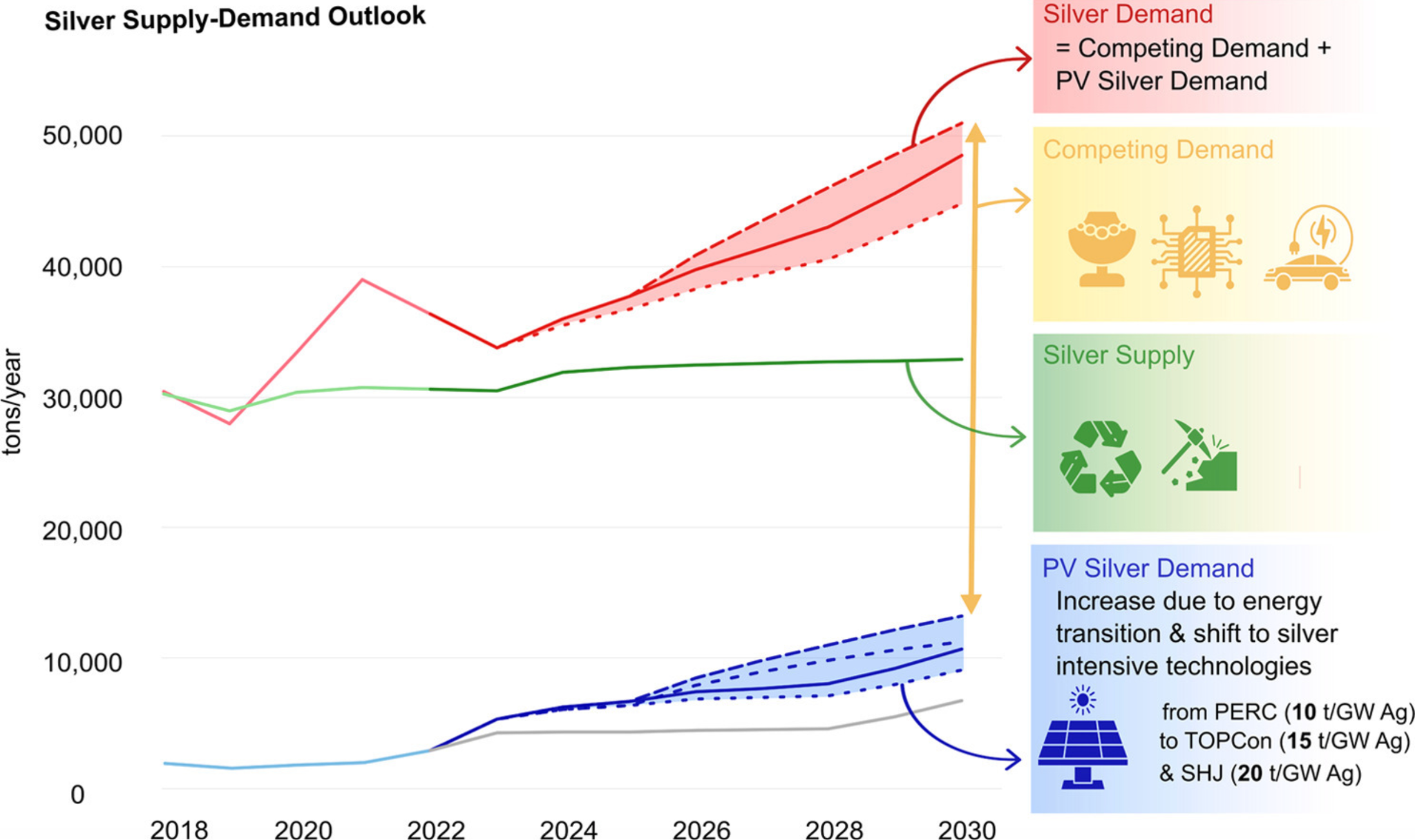
එම අසමතුලිතතාවය යෝජනා කරන්නේ volatility පුළුල් තර්කය ප්රතික්ෂේප නොකරන බවයි.
විශේෂඥ දැක්ම
විශ්ලේෂකයින් පුළුල් ලෙස එකඟ වන්නේ මෙම නැවත ඉහළ යාම ඉහළට යන සෘජු මාවතක් සහතික නොකරන බවයි. Barclays සඳහන් කළේ ප්රතිපත්ති සහ භූ දේශපාලනික අවිනිශ්චිතතාවයන් මධ්යයේ රත්රන් වල පුළුල් “bid” එක ඔරොත්තු දිය හැකි බවයි, නමුත් අධික ලෙස රත් වූ තාක්ෂණික තත්වයන්ට ඒකාබද්ධ වීමේ (consolidation) කාල පරිච්ඡේදයක් අවශ්ය විය හැකි බවට අනතුරු ඇඟවීය.
රිදී වල ඉදිරි දැක්ම වඩාත් අස්ථාවරව පවතී. eToro විශ්ලේෂක Zavier Wong පැවසුවේ අනුමාන positioning මගින් කඩා වැටීම සහ නැවත ඉහළ යාම යන දෙකම වර්ධනය කළ නමුත්, රිදී වල මූලික ඉල්ලුම බැහැර කිරීමට එරෙහිව අනතුරු ඇඟවීය. ඔහුගේ මතය අනුව, මූලික කරුණු පාලනය නැවත තහවුරු කිරීමට පෙර ශක්තිමත් චක්ර වලදී රිදී ඓතිහාසිකව තමාටම වඩා ඉදිරියට ගොස් ඇත.
මෙම ඉහළ යාමේ තිරසාරභාවය බාහිර තත්වයන් මත රඳා පවතී. US dollar හෝ සැබෑ ප්රතිලාභ (real yields) නැවත ඉහළ යාම මගින් මෙම යථා තත්ත්වයට පත්වීම පරීක්ෂා කළ හැකි අතර, ස්ථාවර අරමුදල් තත්වයන් සහ වඩාත් සන්සුන් macro සංඥා මගින් මිල ගණන් වඩාත් ක්රමයෙන් ගොඩනැගීමට ඉඩ ලබා දිය හැකිය.
ප්රධාන කරුණු
රත්රන් සහ රිදී ඓතිහාසික විකුණුම් රැල්ලකින් පසු තියුණු ලෙස යථා තත්ත්වයට පත් වී ඇති අතර, ඉන් ඇඟවෙන්නේ පසුගිය සතියේ කඩා වැටීම පිරිහෙන මූලික කරුණු වලට වඩා බලහත්කාරයෙන් positioning මගින් මෙහෙයවනු ලැබූ බවයි. Volatility ඉහළ මට්ටමක පැවතුනද, වටිනා ලෝහ ඉල්ලුමට සහාය වන ව්යුහාත්මක සාධක තවමත් ක්රියාත්මක වේ. මෙම ඉහළ යාම තිරසාරද යන්න macro ස්ථාවරත්වය, මුදල් ප්රවණතා සහ ආයෝජක සංයමය මත රඳා පවතී. ඊළඟ අදියර කඩා වැටීමකට වඩා ඒකාබද්ධ වීම (consolidation) මගින් හැඩගැසීමට ඉඩ ඇත.
රත්රන් සහ රිදී තාක්ෂණික දැක්ම
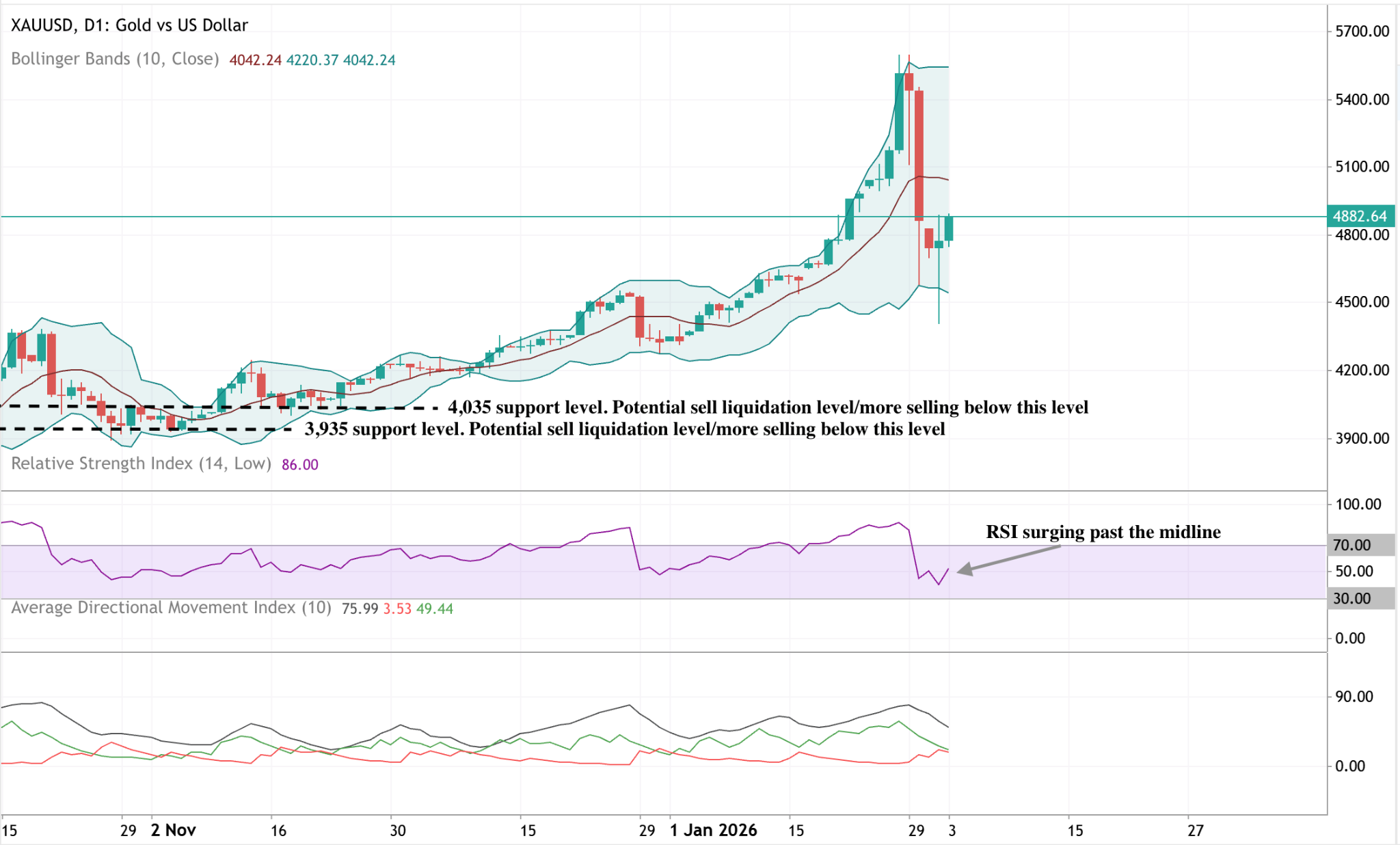
ඉහළ Bollinger Band වෙතින් තියුණු පසුබෑමකින් පසු මිල ස්ථාවර වීමත් සමඟ, මෑත කාලීන ඉහළ යාමෙන් පසුව රත්රන් ඉහළ මට්ටමක පවතී. මිල නැවත පටි (bands) තුළට ගමන් කර ඇතත්, ඒවා පුළුල් ලෙස විහිදී පවතින අතර, ඉන් ඇඟවෙන්නේ පෙර කාල පරිච්ඡේදවලට සාපේක්ෂව volatility තවමත් ඉහළ මට්ටමක පවතින බවයි.
Momentum දර්ශක මගින් ප්රතිවර්තනයකට වඩා ගැලපීමක් පෙන්නුම් කරයි: කෙටියෙන් පහත වැටීමෙන් පසු RSI නැවත මධ්ය රේඛාවට ඉහළින් ගමන් කර ඇති අතර, එය වේගවත් චලනයෙන් පසු momentum හි ස්ථාවර වීමක් පිළිබිඹු කරයි. ඉහළ ADX කියවීම් මගින් සාක්ෂි දරන පරිදි ප්රවණතා ශක්තිය (trend strength) ඉහළ මට්ටමක පවතින අතර, එය ශක්තිමත්, ස්ථාපිත ප්රවණතා පරිසරයක් පෙන්නුම් කරයි.
ව්යුහාත්මක දෘෂ්ටි කෝණයකින් බලන කල, මිල ඩොලර් 4,035 සහ ඩොලර් 3,935 අවට ඇති පෙර ඒකාබද්ධ කලාපවලට වඩා හොඳින් ඉහළින් ගනුදෙනු වන අතර, එය පූර්ව අත්තිකාරම්වල විශාලත්වය අවධාරණය කරයි.
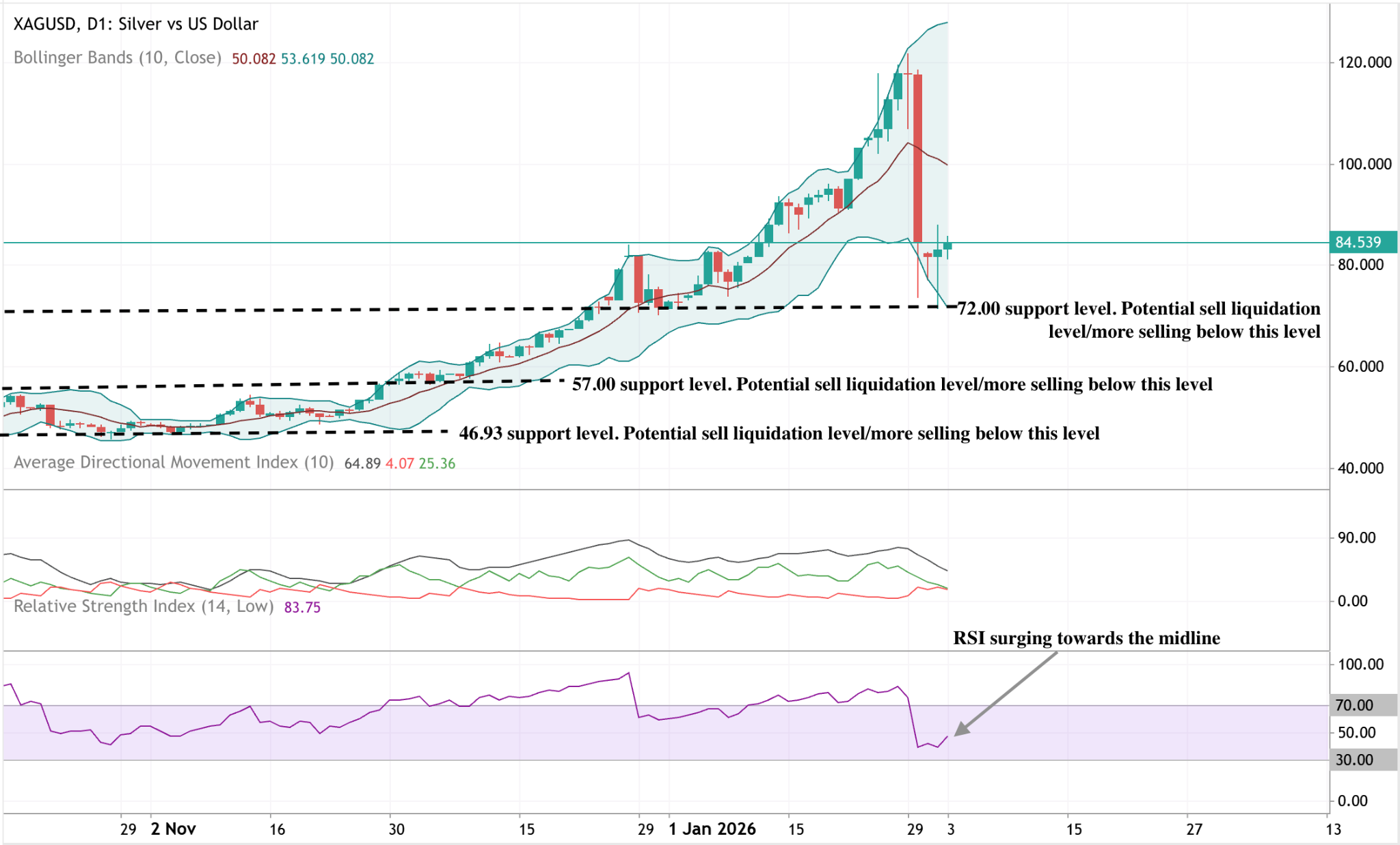
දීර්ඝ ඉහළ යාමකින් පසු රිදී තියුණු පසුබෑමකට ලක්ව ඇති අතර, මිල මෑත කාලීන ඉහළ මට්ටම්වල සිට පසුබසින අතර එහි පුළුල් පරාසයේ මැද දෙසට ආපසු ගමන් කරයි. Bollinger Bands පුළුල් ලෙස විහිදී පවතින අතර, ඉන් ඇඟවෙන්නේ මිල නැවත පටි තුළට ගමන් කර තිබියදීත්, පෙර ත්වරණයෙන් පසුව volatility තවමත් ඉහළ මට්ටමක පවතින බවයි.
Momentum දර්ශක කැපී පෙනෙන යළි පිහිටුවීමක් (reset) පෙන්වයි: RSI අධික ලෙස මිලදී ගත් (overbought) මට්ටම්වල සිට තියුණු ලෙස පහත වැටී ඇති අතර දැන් නැවත මධ්ය රේඛාව දෙසට ඉහළ යමින් පවතී, එය ආන්තික අවධියෙන් පසු momentum හි මධ්යස්ථ බවක් පිළිබිඹු කරයි.
ඉහළ ADX කියවීම් මගින් පෙන්නුම් කරන පරිදි ප්රවණතා ශක්තිය ඉහළ මට්ටමක පවතින අතර, මෑත කාලීන පසුබෑම නොතකා පුළුල් ප්රවණතා පරිසරය ශක්තිමත්ව පවතින බව ඉස්මතු කරයි. ව්යුහාත්මකව, මිල ඩොලර් 72, ඩොලර් 57 සහ ඩොලර් 46.93 අවට ඇති පෙර ඒකාබද්ධ කලාපවලට වඩා හොඳින් ඉහළින් පවතින අතර, එය පූර්ව අත්තිකාරම්වල පරිමාණය අවධාරණය කරයි.
උපුටා දක්වා ඇති කාර්ය සාධන සංඛ්යා අනාගත කාර්ය සාධනය පිළිබඳ සහතිකයක් නොවේ.


